
Research Achievements
Studies on factors affecting natural regeneration
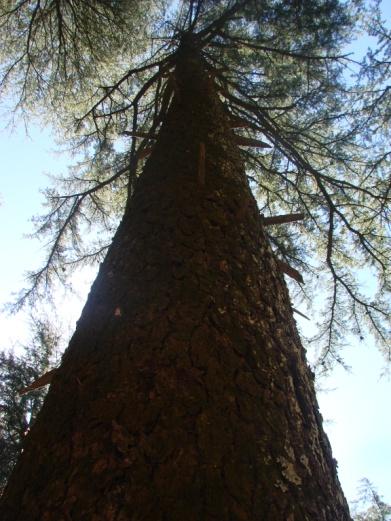
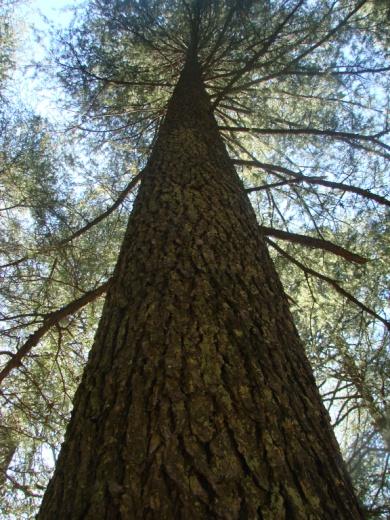
Factors affecting natural regeneration of Silver Fir and Spruce including seed dispersal, seed germination and seedling establishment were studied in detail and alternate method of successful artificial regeneration of the failed areas suggested to the SFDs.
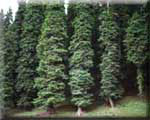 Silver fir forest - A view
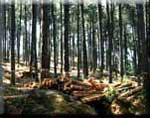 Spruce forest - A view
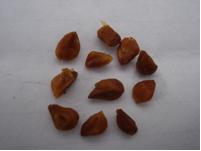
Studies on seed germination
Developed technology for breaking dormancy in Himalayan Pencil Cedar (Juniperus polycarpos) and produced more than 10 thousand plants to HP state forest department.
Genetic variability in Cedrus deodara
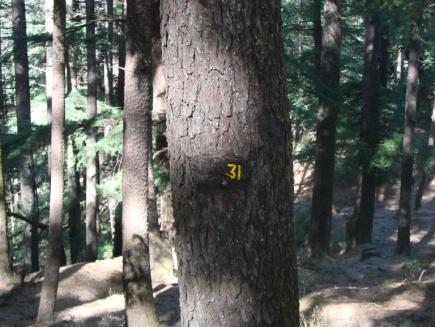
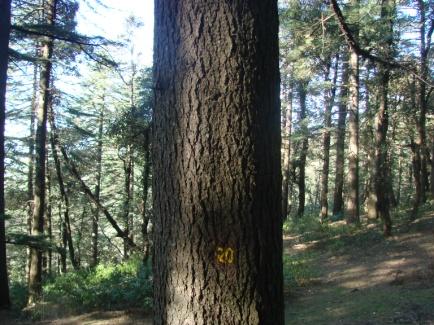
Genetic variability in fifteen populations of Cedrus deodara studied through isozyme analysis revealed variation in the populations for allelic diversity and differentiation, heterozygosity and genetic distances. As these populations originate from different geographical areas and occupy different geological formations, yet the allozymic variation showed tendencies of grouping based on the values shown by these populations for population parameters and was grouped into three clusters.
A) Conifer Species
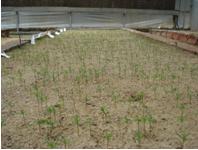
1. Silver Fir and Spruce has been causing of lot anxiety to the foresters for a long time on account of failure of its natural regeneration and non - availability of its standardised nursery techniques, Trials to standardise the nursery techniques were laid, seed maturity indices studied and methods of artificial ripening of cones worked out. Protocol for seed sowing including spacing and depth of sowing and control of damping off was established. Techniques of transplantation were standerdised Shade requirement of seedings worked out and appropriate shading material designed. Standardisation of nursery stock for out planting and plantation techniques: Age and size of seedling of silver Fir and Spruce for out planting standerdised. Cost effective techniques for out planting worked out.
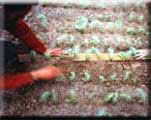 Transplanting model of Silver Fir and Spruce in Nursery Beds
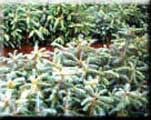 Transplanted Silver Fir
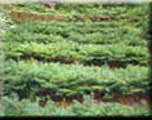 Transplanted Spruce in Nursery Beds
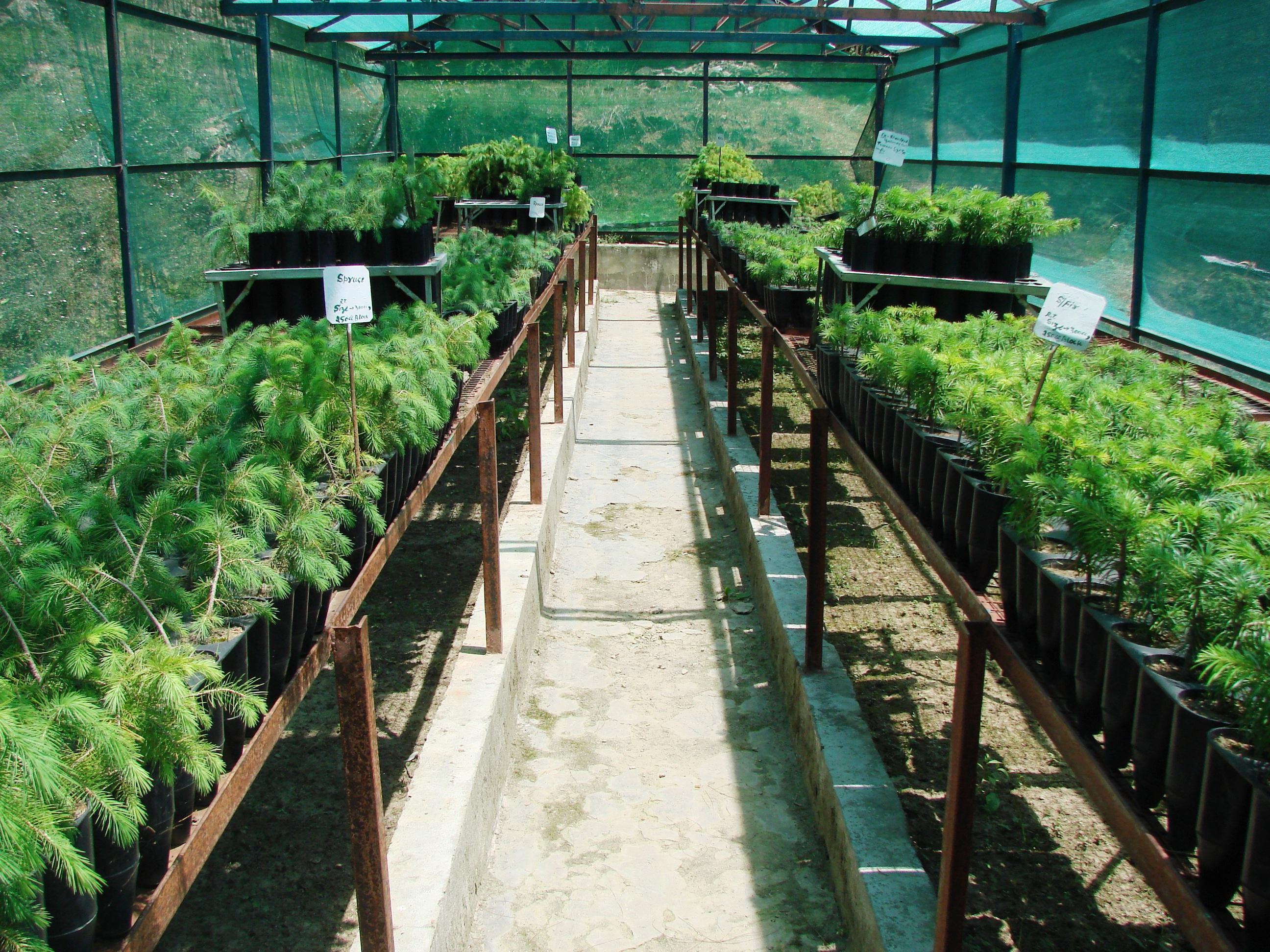
2. Nursery techniques for raising bare-root stock of Silver fir and Spruce have been standardized and extended to SFD HP.
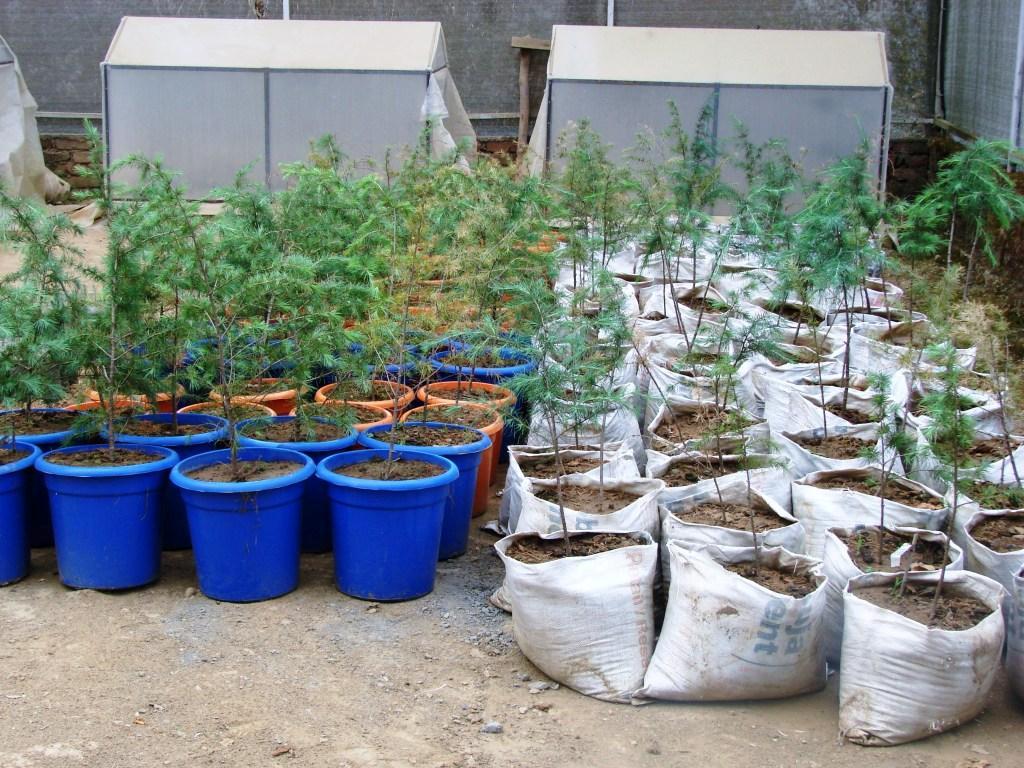
3. Standardized the nursery techniques for raising containerized seedlings of conifers i.e. fir, spruce and deodar.
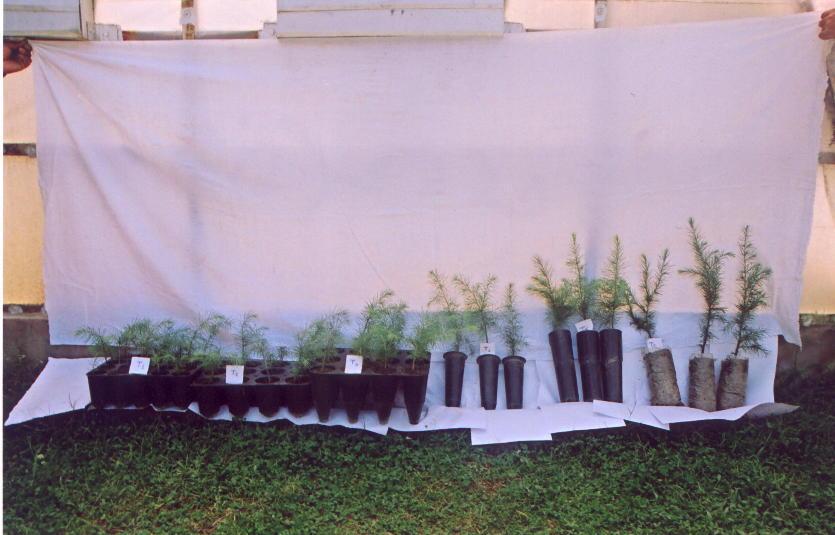
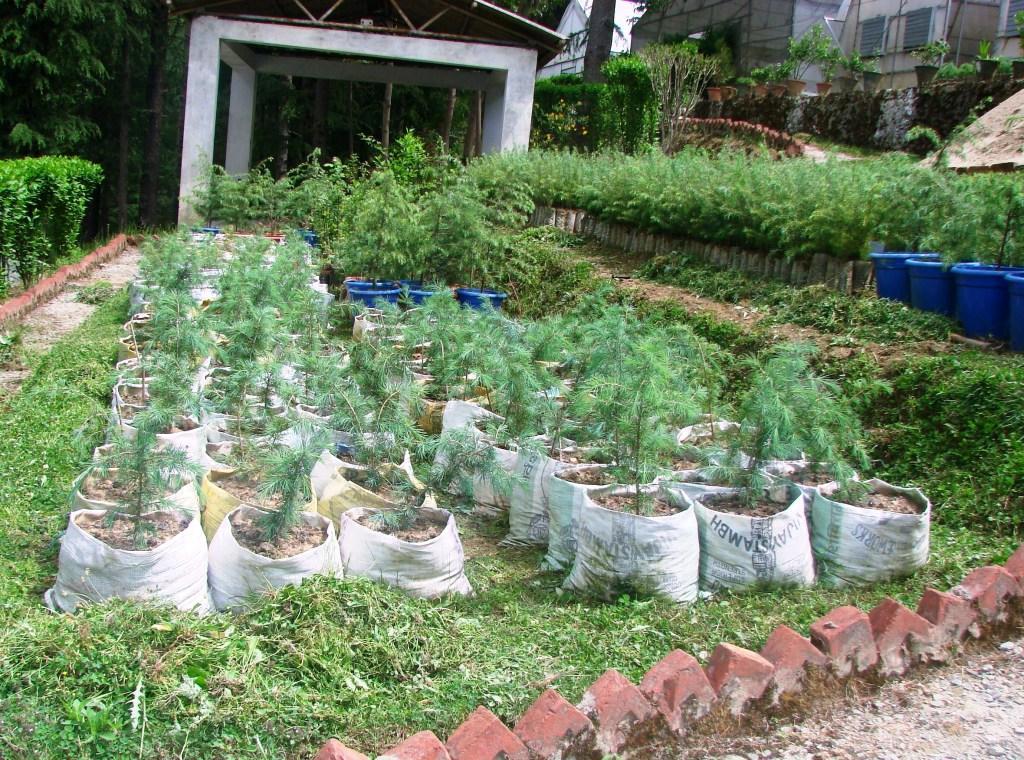
4. Successfully developed technique for raising Tall plants of Cedrus deodara and provided the technique to various end-users.
B) Broad Leaved Species
Nursery techniques of broad leaved associates of conifers including Himalayan Poplar (Populus ciliata), Kharsu Oak (Quercus semicarpifolia ) and Mohru Oak ( Q. dilatata), Birdcherry (Prunus cornata), Horsechestnut (Aesculus indica) and Maple (Acer cesium) standardised .
Establishment of Seed Production Areas
Survey of forest areas in H.P. and J&K including that of existing Seed Stands was carried out and Seed production Areas of Chir Pine established.
- Seed Production Area (Chir Pine) : HP – 50.96 ha | J&K – 15.00 ha
SPA of Chir pine
 SPA of
Chir pine
SPA of
Chir pine
Establishment of Seed Orchards
Survey of forest areas in H.P. and J & K carried out to select CPI's of Chir Pine and seed collected from these was utilised for establishment of Seedling Seed Orchard. Clonal material from identified CPT's of shisham from the states of' U.P., H..P., J&K and Punjab were collected for establishment of clonal seed orchard and multiplication garden
- Clonal Seed Orchards (Shisham): HP – 4.5 ha | J&K – 3.5 ha
- Seedling Seed Orchards (Chir Pine): HP – 5.00 ha
 CPTs of Chir Pine (Pinus roxburghii)
 CSO of Shisham (Dalbergia sissoo)
Seed Stands of Cedrus deodara
Enumerated 50 ha Seed Stands of Cedrus deodara for their conversion into Seed Production Areas (SPAs). Marking lists of the selected seed stands were submitted to SFD for executing culling operation. Selected 77 Plus Trees of the species and established progeny trail with 52 families.
Identification of Superior Clones of Dalbergia sissoo
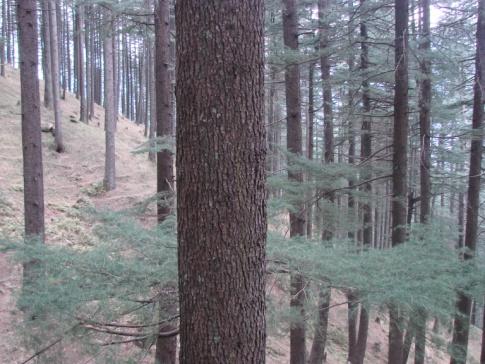
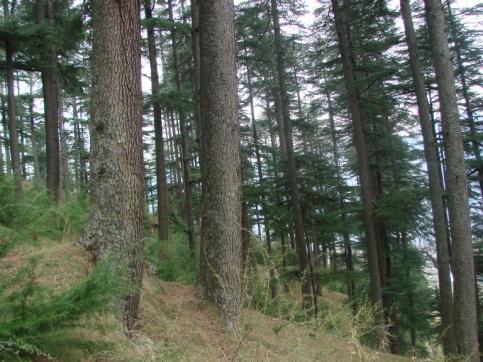
16 superior clones were screened out for productivity enhancement of Dalbergia sissoo based on growth performance stress resistance and insect resistance.
Screening of Salix Clones
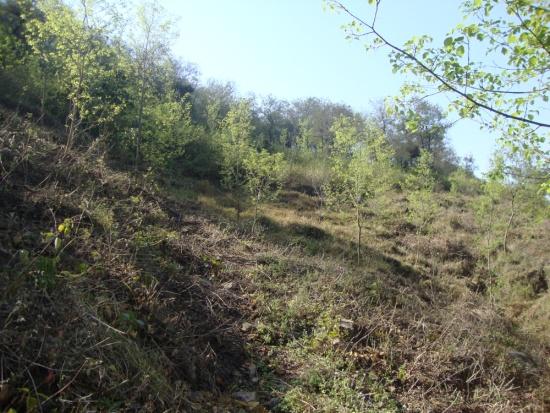
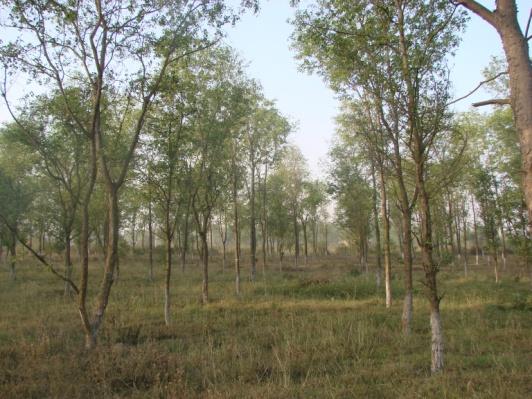
Screening of 14 imported clones and six provenances of Salix was carried out keeping in view their height-growth performance and their resistance towards insect-pest incidences with special reference to Aphid attack. Salix coerulea was the best performer as far as height growth was concerned whereas UWU-2 was the front runner amongst the introduced clones.
Afforestation of Cold Deserts
- Survey of cold desert areas carried out to identify, indigenous species and species groups for taking up planting trials with these species in the cold desert areas.
- Survey of Juniper bearing areas in Himachal Pradesh carried out to assess its conservation status.
- Nursery techniques or some indigenous species suitable for cold desert areas including Quercus ilex, Hippophae rhamnoides and Fraxinus xanthoxyloides standardised./em>.
- Floristic survey of Cold Deserts of HP and J&K carried out and collected unique flora from the cold deserts.
 Hippophae rhamnoides
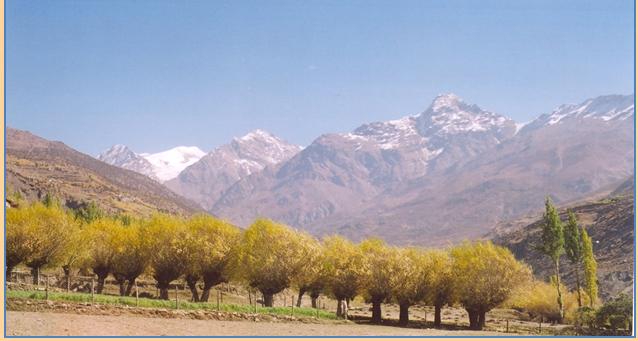
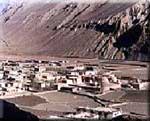 Cold Desert – Village View
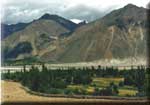 Cold Desert – Landscape
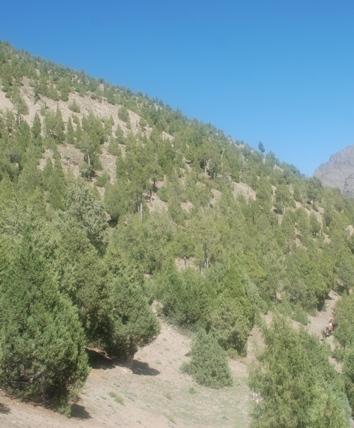 Juniperus spp.
Standardization of Nursery techniques of Five Prominent Indigenous species of cold deserts revealed that in Case of Eleagnus angustifolia the new growing shoots of 20 to 30 cm length collected from the healthy mature plants during April treated with 5000 ppm to 6000 ppm concentrations of IBA using quick dip method in soil and sand medium gave more than 90% rooting in Poly- house. Whereas 6000 ppm to 7000 ppm concentrations in open nursery conditions in soil medium gave more than 70% rooting. After rooting, all the plants kept in beds in Open nursery during next growing season for hardening.
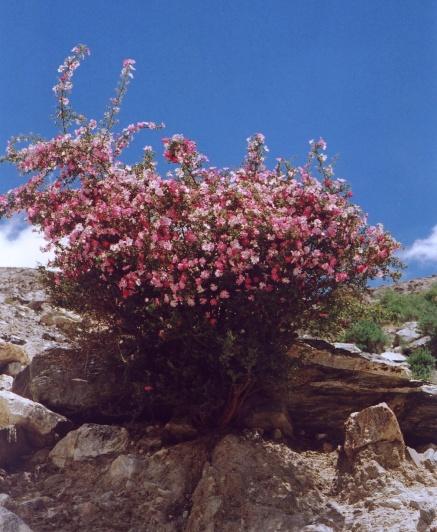
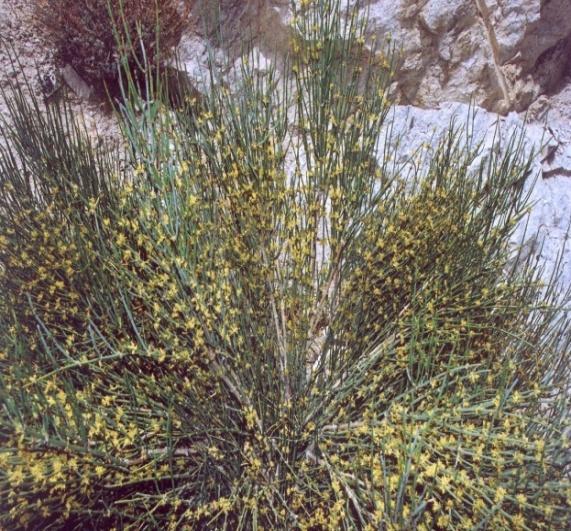
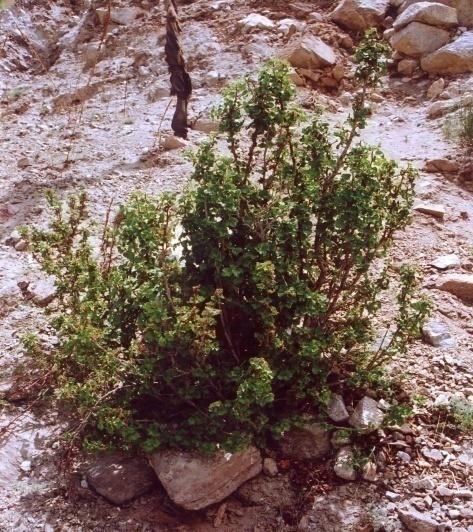
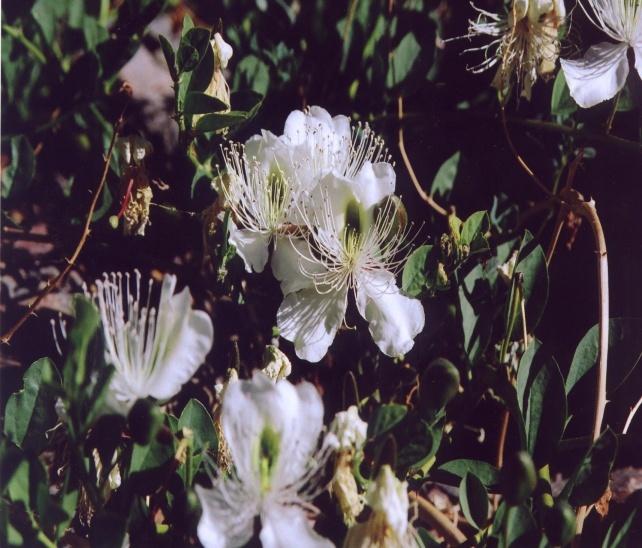
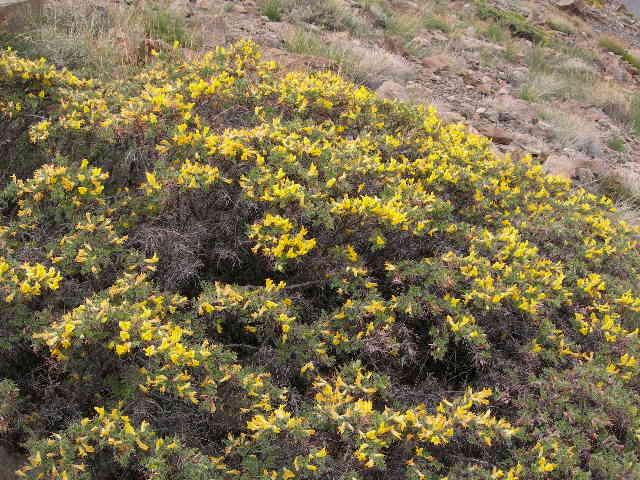
Management of Alpine Pastures
Ecological studies including determination of species composition, plant biomass and net primary production in selected alpine pasture carried
 Alpine Studies
Studies on Hemis High Altitude National Park of Ladakh district of the state of J&K
This study resulted in enumeration of 458 taxa belonging to 215 genera spread over 59 families of Gymnosperms and Angiosperms. An analysis of this list shows that family Asteraceae with 74 taxa belonging to 29 genera is the most dominant family of flowering plants in the study area. The analysis of the growth forms of the species reveals that the flora is predominantly herbaceous with herbs forming 92.36 % (423 taxa) of the total flora, followed by 5.24 % shrubs (24 taxa) and 2.40 % trees (11 taxa). The dominant family here is Asteraceae, with 29 genera and 74 species, amounting to 16.2% of the flora of the PA; which is in agreement with the flora across the North West Himalaya.
Rehabilitation of Mined Areas
Ecological survey of selected mined areas in Paonta valley (Distt. Sirmaur) of H.P. carried out and socio-economic status assessed in the adjoining villages and models for rehabilitation of these stress sites developed.
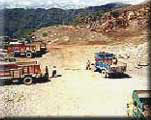 Degraded Mine Site
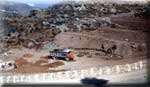 Mine Development – A View
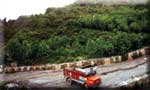 Rehabilitated mine- The Ultimate view
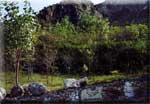 Rehabilitated mine- The Ultimate view
Ecological Assessment, Collection and Establishment of Clonal Banks of Hill Bamboos (Arundinaria spp.) in Himachal Pradesh
The ecological study of hill bamboos revealed that Arundinaria falcata form moderately dense to under-growth in the ban oak and deodar forests especially where the tree canopy has natural break whereas T. spathiflorus normally forms big patches in the fir, spruce and moru oak foresrts. The wild population of only two species of hill bamboos viz. A. falcata and T. spathiflorus existed in the State. The plants of these two species were collected from various locations of Himachal Pradesh and Clonal banks were established at two sites measuring 2 ha each at Forest Area adjoining Brundhar Research Station and Chhichhar Forest area under Kumarsain Range of Kotgarh Forest Division. The clonal banks established will serve as the demonstration plantation to the local populace and artisans as well.
Plant Diversity in Cold Deserts of District Kinnaur, Himachal Pradesh
The study was conducted in different altitudes varying from 2700-5000 m in different areas of cold deserts of Pooh sub division of district Kinnaur, Himachal Pradesh which revealed that the total number of plant species was 191 belonging to 47 families and 127 genera in Labrang area, 191 species belonging to 49 families and 134 genera in Lippa-Asrang area, 192 species belonging to 55 families and 136 genera in Pooh area, 160 species belonging to 51 families and 119 genera in Ropa-Giavung area, 142 species belonging to 49 families and 105 genera in Namgia area and 130 species belonging to 41 families and 101 genera in Hango area. The study also revealed the presence of 114 medicinal plant species from the area. Out of these medicinal plants, 24 species fall in the category of threatened plants.
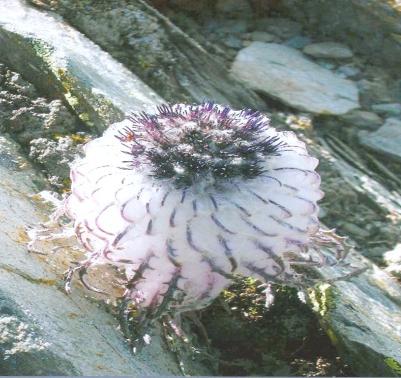 Saussurea gossypiphora
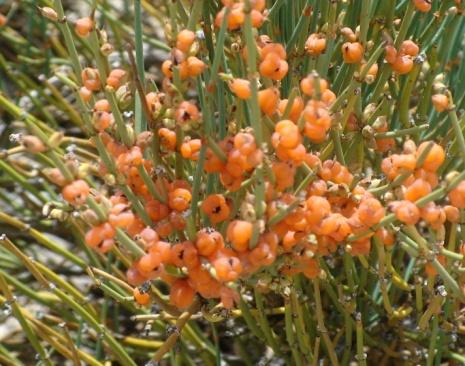 Ephedra gerardiana
Plant Diversity of Rakchham-Chitkul Wildlife Sanctuary of District Kinnaur, Himachal Pradesh
The survey and phyto-sociological study was carried out in Rakchham-Chitkul Wildlife Sanctuary, district Kinnaur, Himachal Pradesh and recorded 322 plant species belonging to 70 families and 162 genera. The study also included the presence of 98 plant species of medicinal importance. Twenty two plant species of threatened categories were recorded from the sanctuary, out of which 3 were critically endangered, 11 endangered and 13 vulnerable.
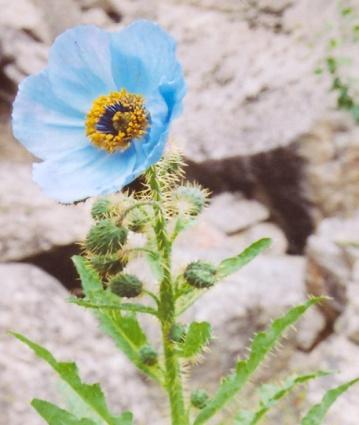 Meconopsis aculeata
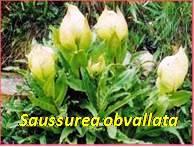
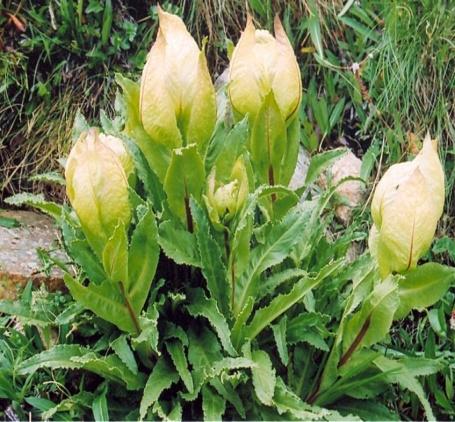 Saussurea obvallata
Ecological Assessment of Forest Areas Falling under Kol Dam Hydroelectric Project of Himachal Pradesh
Survey was conducted in many of the Hydroelectric Project Sites. However, the findings of Kol Dam Hydroelectric Project Site, which rather falls in Sub-tropical to sub-temperate climate revealed the presence of 227 plant species belonging to 77 families and 194 genera. When considered micro-climatically within the state - recorded the presence of 129 plants of medicinal value. The plant species viz; Zanthoxylum armatum, Gloriosa superba, Roylea cinerea, Valeriana jatamansi.Taxus wallichiana were fall in the category of threatend medical plants.
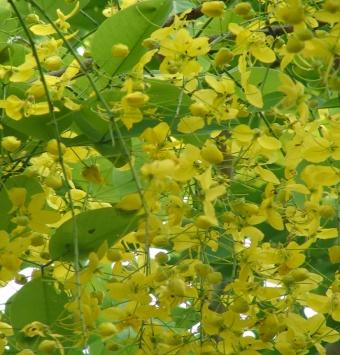 Cassia fistula
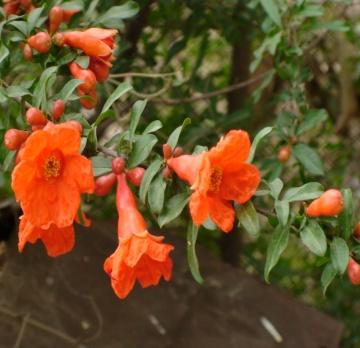 Punica granatum
Ecological Assessment of Floristic Diversity in Kalatop-Khajjiar Wildlife Sanctuary of District Chamba, Himachal Pradesh
In Kalatop-Khajjiar Wildlife Sanctuary, total number of plant species was 232 belonging to 76 families and 218 genera. The dominant families were Asteraceae, Rosaceae, Fabaceae, Lamiaceae, Poaceae, Ranunculaceae and Polygonaceae. Out of 100 medicinal plant species recorded from the Kalatop-Khajjiar Wildlife sanctuary, 7 species viz.; Cinnamonum tamala, Dioscorea deltoidea, Paris polyphylla, Podophyllum hexandrum, Polygonatum verticillatum, Taxus wallichiana, Zanthoxylum armatum fall in the category of threatened plants.
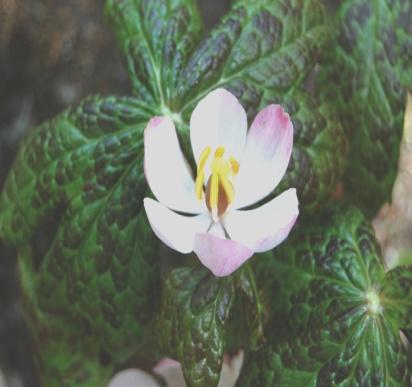 Podophyllum hexandrum
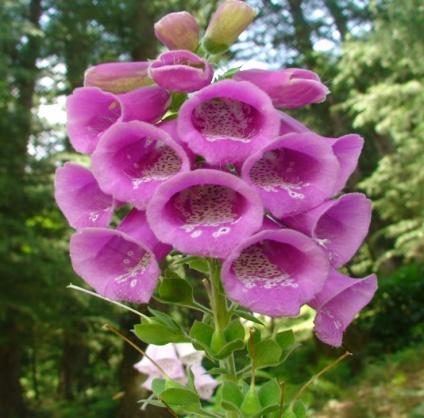 Digitalis purpurea
Studies on insect pest of broad leaved specie
Life history of Poplar shoot borer ( Eucosma glaciata ) worked out and control measures standardised. Damage evaluation of beetles on different clones of Populus deltoides and Provenances of P. ciliata done.
 Diseases in Poplar
 Diseases in Poplar
Studies on insect pest of Conifers
On Deodar about 60 insect species cause various degrees of damage during different stages of growth amongst which, Ectropis deodarae is considered a most injurious pest and control measures suggested.
Deodar trees are also infected by a root rot disease, caused by Phytopthora cinnamomi, which can be controlled by applying Trichoderma viridae - a biological control agent.
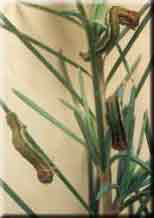 Matured larvae of Ectropis deodarae
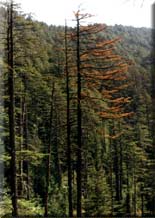 Deodar mortality by Phytopthora cinnamomi
The problem of mortality of Chir pine in the states of Haryana and Himachal Pradesh was found due to the heavy attack by four types of insect stem borers viz., Sphaenoptera aterrima, Cryptorhynchus rufescens, Platypus biformis and Polygraphus longifolia and control measures suggested.
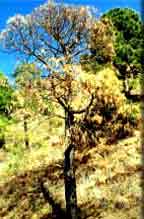 Chir pine mortality
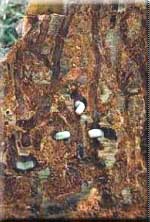 Stem borers in Chir pine
The drying of Pinus wallichiana (Kail) recorded in HP and J&K was due to an outbreak of insect beetle, Pityogenes scitus. The effectiveness of biological control agent is being worked out for its management.
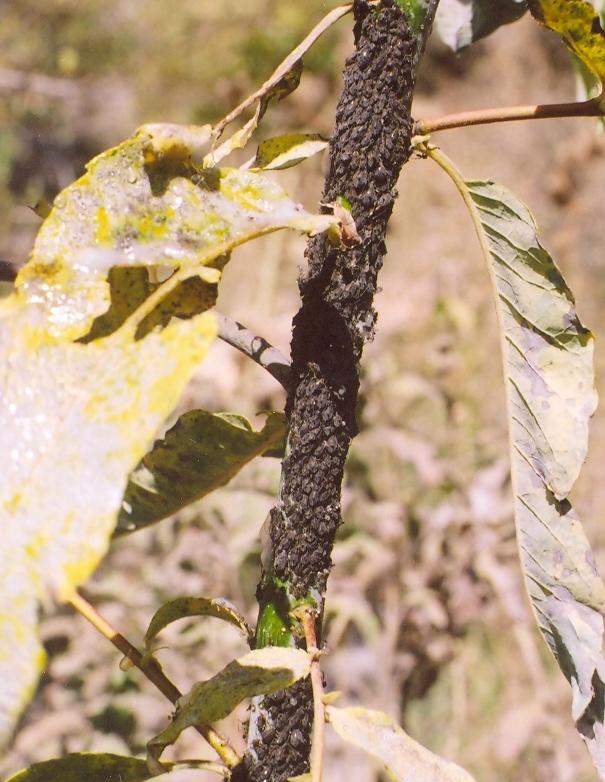
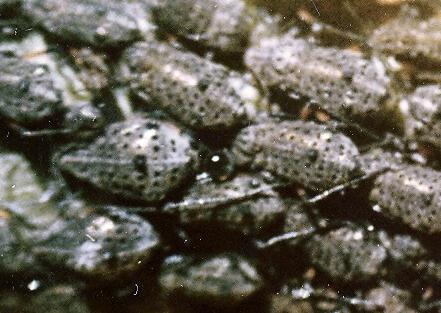
Huge mortality of Willow plantations at Sisso, Khangsar, Gondhala, Keylong and Stingari areas of cold deserts in Himachal Pradesh was mainly due to lack of water sources. Also, sick trees were heavily infested by 'Large Willow Aphid' Tuberolachnus salignus (Homoptera: Aphidoidea: Lachnidae). A proper management practice by eliminating monoculture, arranging alternative water flow around plantations and application of some contact insecticides are suggested.
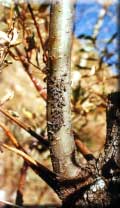 Aphid on young Willow shoot
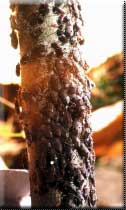 Mature Aphid on Willow shoot
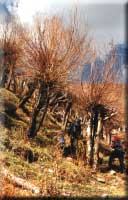 Dead Willow trees
Management of Insect Bark and Wood borer Complex in Chir-pine Forest.
Keeping in view the importance of species and real threat from bark and wood borers, 7 provenances of Chir-pine were screened in field and evaluated for the attack of insect stem borers viz. Polygraphus longifolia, Ips longifolia, Cryptorhynchus rufescens and Sphaenoptera aterrima. Giri Gambhar Provenances (58%) and Kangra Valley (53.2%) were found to be most susceptible while Seer Kunar Khud (8.1%) and Beas Valley (7.0 %) was found to be most.
Control of Insect–Disease Syndrome in Dalbergia sissoo:
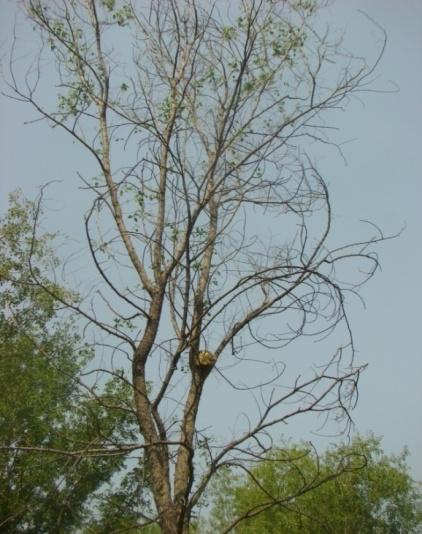
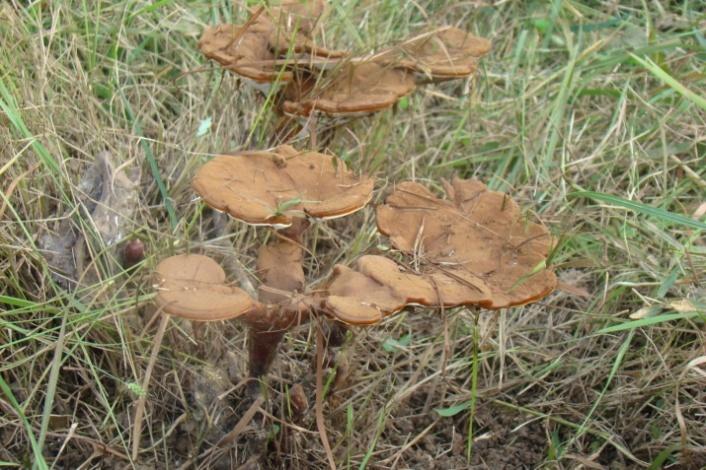
Forty provenances of Shisham (Dalbergia sissoo) were screened against Ganoderma root-rot and termite under natural conditions in a randomized block design. syndrome free. Provenance Rampur, which was rated as resistant with 2.0 per cent tree mortality, was fifth best in terms of plant height and diameter at breast height).
Management of Deodar defoliator, Ectropis deodarae Prout. (Lepidoptera: Geometridae)
Developed IPM Model on Deodar defoliator, which is one of the destructive defoliator of deodar Forest. In spite of the complicated defoliation problem, high mountains and sporadic out-break of this pest , it is possible to manage the pest by adopting silvicultural, mechanical and biological control during out- break situation.
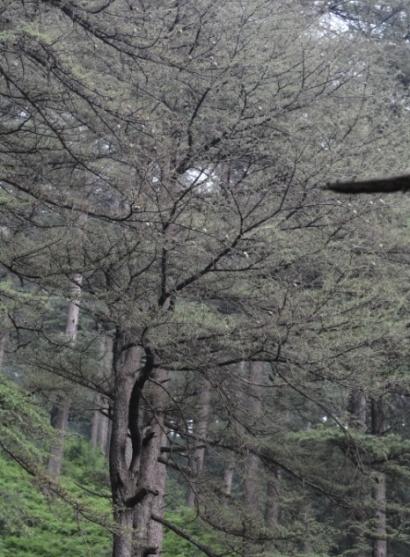
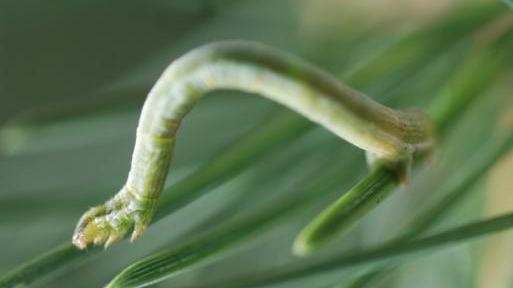
Pheromones Technology for Ips longifolia beetle Attack
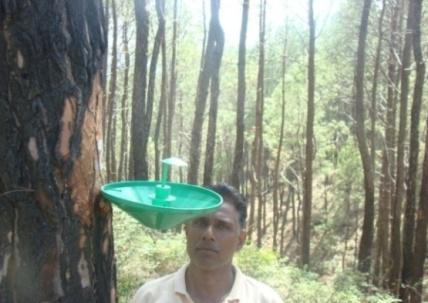
Ipsdienol ((s)-2-methyl-6mehtyleneocta-2,7-dien-4-0l @ of 8 mg in Fero-T™ (Pheromone Trap) was found effective in containing population of I. longifolia Steb. (Coeoptera: Scolytidae) in Chir-pine planation. 12-20 Pheromone traps are required in one ha. Plantation.
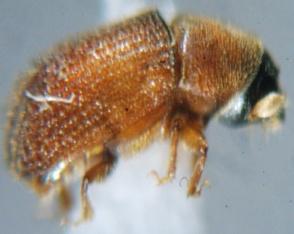
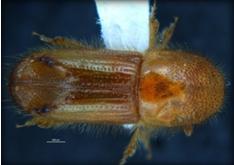
Management of Polygraphus longifolia Beetle in Chir- Pine forest
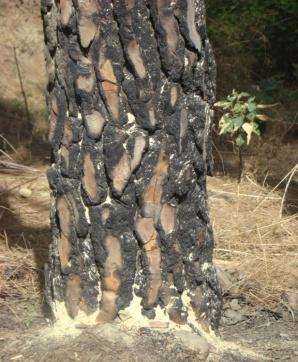
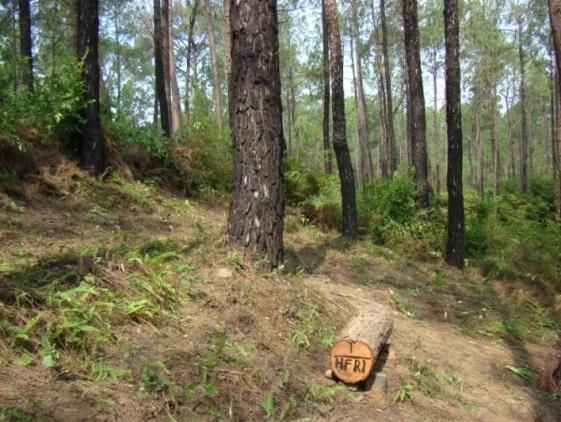
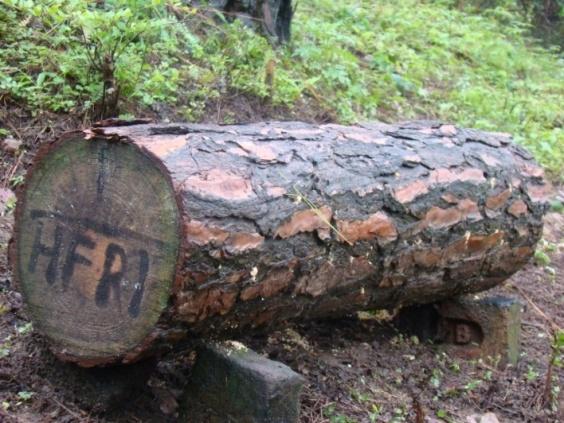
Tree-trap with 95 – 110 cm L X90 - 100 cm GBH and 25 to 35 % moisture content is found to be effective to attract the beetles.
Control of Thysanoplusia orichalcea (Lepidoptera: Noctuidae) - A serious defoliator of Saussurea costus (Kuth):
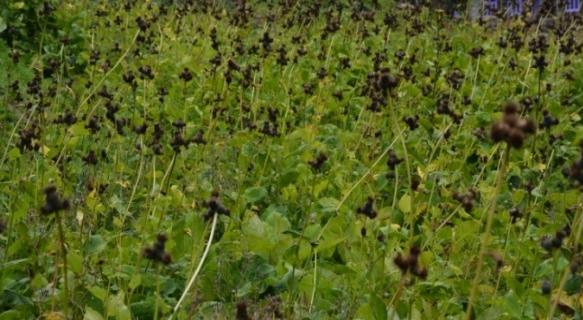
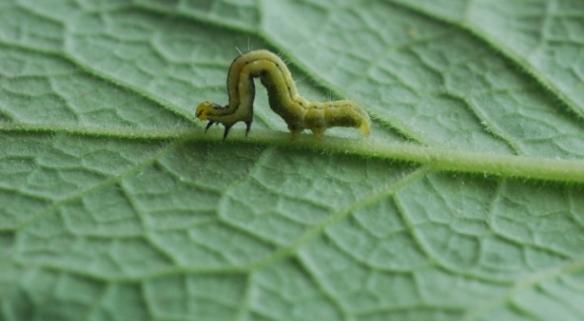
Neem cake @ 500 gm / m2, Grownim @ 5.0 % and summer oil @ 5.0 % is proved to be effective to keep the population of T. orichalcea below Economic Threshold Level in Saussurea costus.
- Important indigenous multipurpose species from agro forestry point of view like Grewia optiva (Beul), Ulmus laevigata, Bauhinia variegata (Kachnar) and fast growing exotics including Populus deltoides (mainly clones G3 & G48) were propagated in nurseries and distributed to the farmers in the selected villages in Paonta Valley and Bath Valley for Planting as per the designated agroforestry model.
- Suitable agroforestry models developed in the farmer's fields and distributed more than 5 lacs ETPs of Poplar to the farmers free of cost during 1993-2000 along-with technical knowhow.
 Traditional Agroforestry Practice in Hills of HP
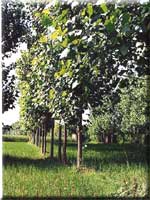 Developed Agroforestry Model
Intercropping models for high hill temperate regions:
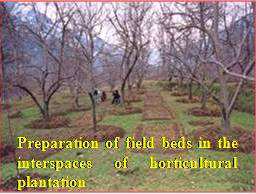
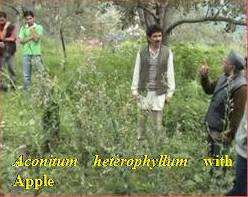
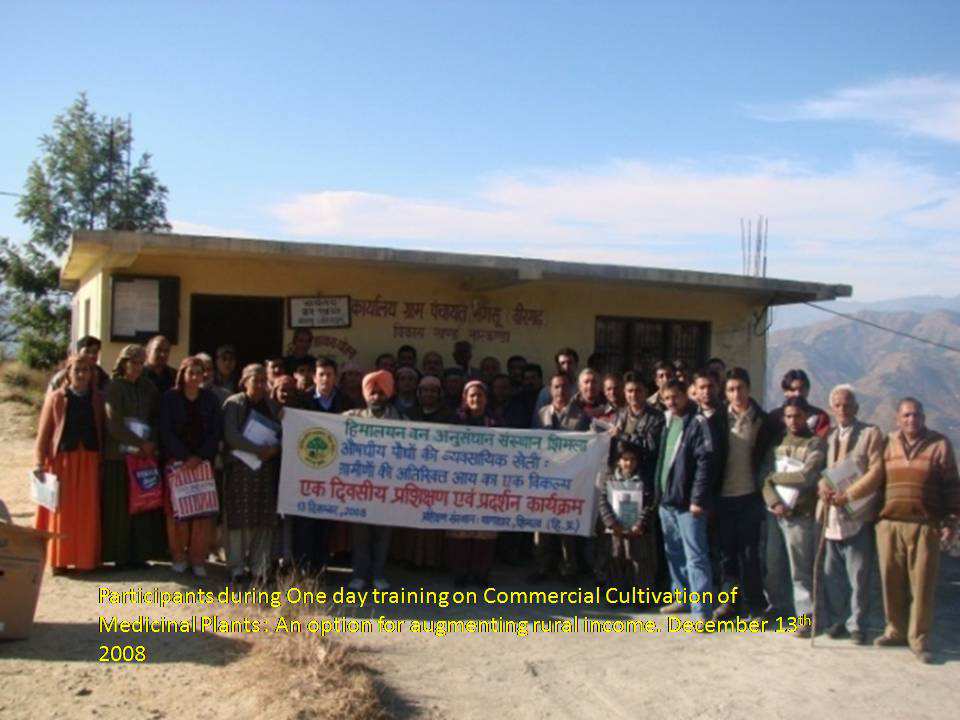
Till recently growing of temperate fruits was lucrative business Himachal Pradesh but continuous failure of these fruit crops due to erratic rainfall accompanied with very less snow fall, increased incidence of various insect pest and diseases attacks, overall rising temperature and decreasing forest areas of the region, shortened chilling hours required by the apple trees during winter for optimum flowering and fruit setting thereby resulting in low yields and lower qualities have forced the farmers/ horticulturist to look for some other alternatives to supplement their income through diversification. The Institute worked on these lines and through scientific inputs developed suitable intercropping model for commercially important medicinal plants viz. Aconitum heterophyllum (Atish), Valeriana jatamansi (Muskbala), Picrorhiza kurrooa (Kutki), Polygonetum verticillatum (Salam misri) and Angelica glauca (Chora) with horticultural plantations in high hill temperate region of Himachal Pradesh to help farmers in augmenting their income besides helping in productivity enhancement per unit area of land.
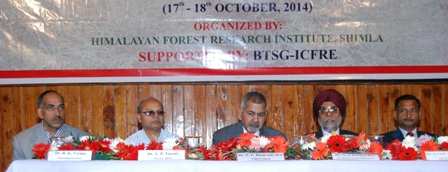
“National Seminar on Hill Bamboo- An Important Resource for Improving Rural Livelihood”
Organized at Manali from October17 to 18, 2014. Professionals from State Forest Departments, Universities, Research Organizations, NGO’s etc., participated in the workshop.
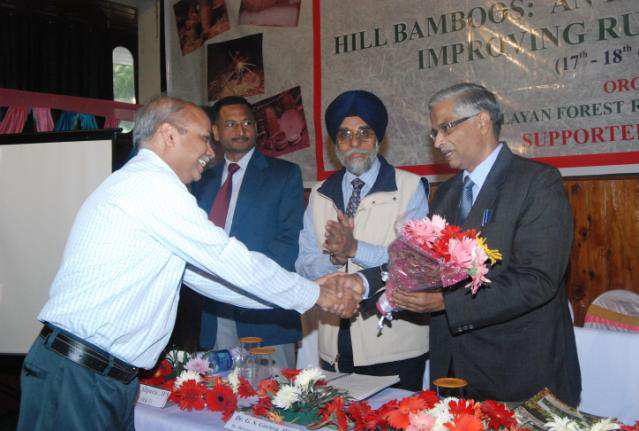
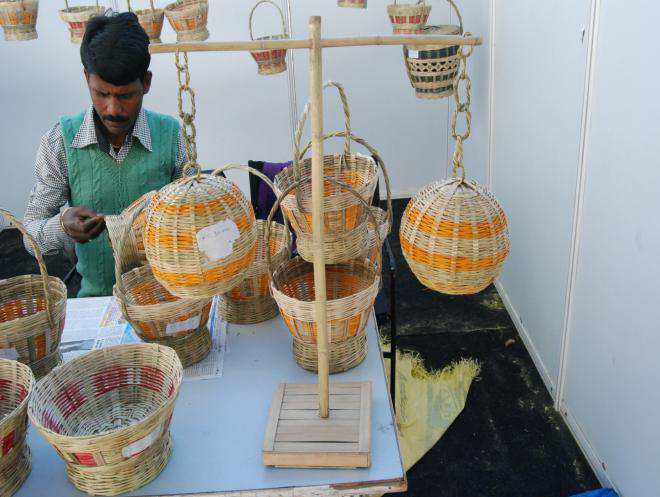
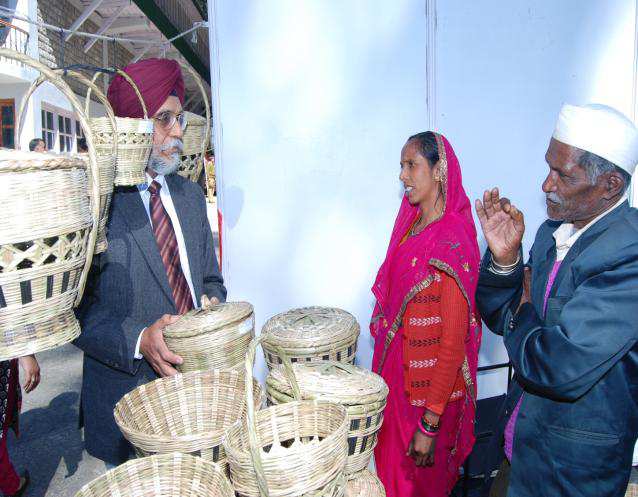
"Exhibition cum Craft Mela of Hill Bamboo Products"
Organized from 16.10.2014 to 20.10.2014 (5 days) at Wildlife Information and Interpretation Centre, (near MC Office), Manali, district Kullu, Himachal Pradesh. About 25 bamboo artisans from Uttrakhand and Himachal Pradesh exhibited their products in the exhibition.
Seminar on “Insect-pests and Diseases: Their Incidences and Management in Forest Ecosystem”
Organized at HFRI, Shimla on 25th and 26th May, 2011. Professionals from State Forest Departments, Universities, and Research Organizations etc. participated in the workshop.
‘3rd e-Champion’s Workshop cum Training on Indian Forestry Research Information System (IFRIS)’
Organized from 29th September, 2008 to 3rd October, 2009 at Himalayan Forest research Institute, Shimla (H.P.). e-Champions from ICFRE (HQs) and all ICFRE institutes participated in the workshop.
Symposium on “Forest Insect-pest and Disease Management in Northwest Himalayas”
Organized at HFRI, Shimla on 10th and 11th January, 2008. Professionals from Universities, Research Organizations, State Forest Departments etc., participated in the workshop.
Workshop on ‘Sustainable Land Use Planning through Geographical Information System (GIS) Application’
sponsored by State Land Use Board (SLUB), Govt. of Himachal Pradesh at HFRI, Shimla on dated 7th September 2007. Professionals from State Forest Departments, Universities, Remote Sensing, Forest Survey of India, Research Organizations etc. participated in the workshop.
Workshop on “Status and Potential of Agroforestry in North-Western Himalayas”
Sponsored by State Land Use Board, State Forest Department, Government of Himachal Pradesh at HFRI, Shimla from 14 - 16 November, 2006. Professionals from State Forest Departments, Universities, Research Organizations etc., participated in the workshop.
“Regional Workshop on Forestry Extension Strategy Review”
Organized at HFRI, Shimla on dated 27th December, 2005. Professionals from State Forest Department, Universities, Research Organizations, Officers from Agriculture, Horticulture, Animal Husbandry, Rural Development etc. from the state of Himachal Pradesh participated in the workshop.
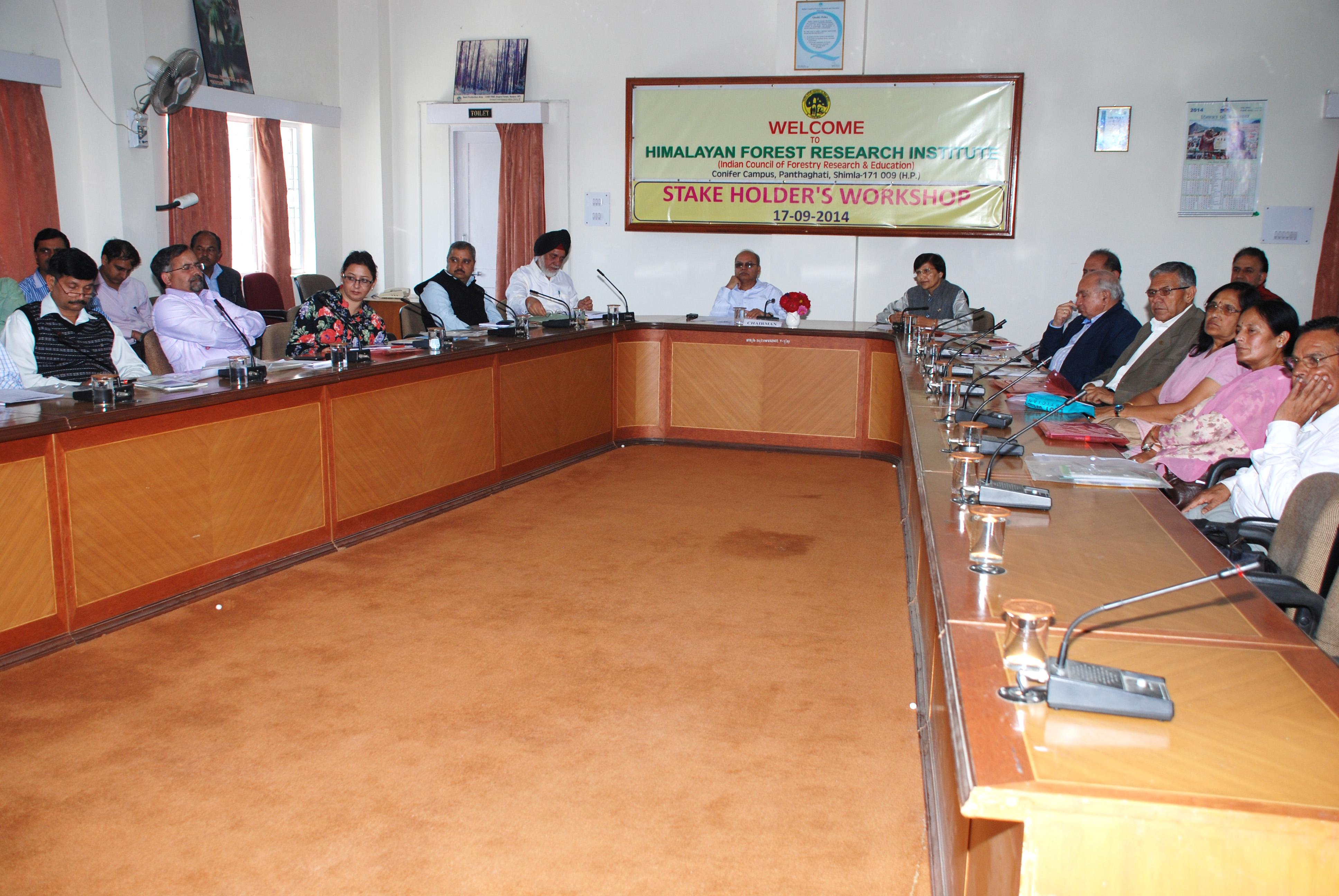
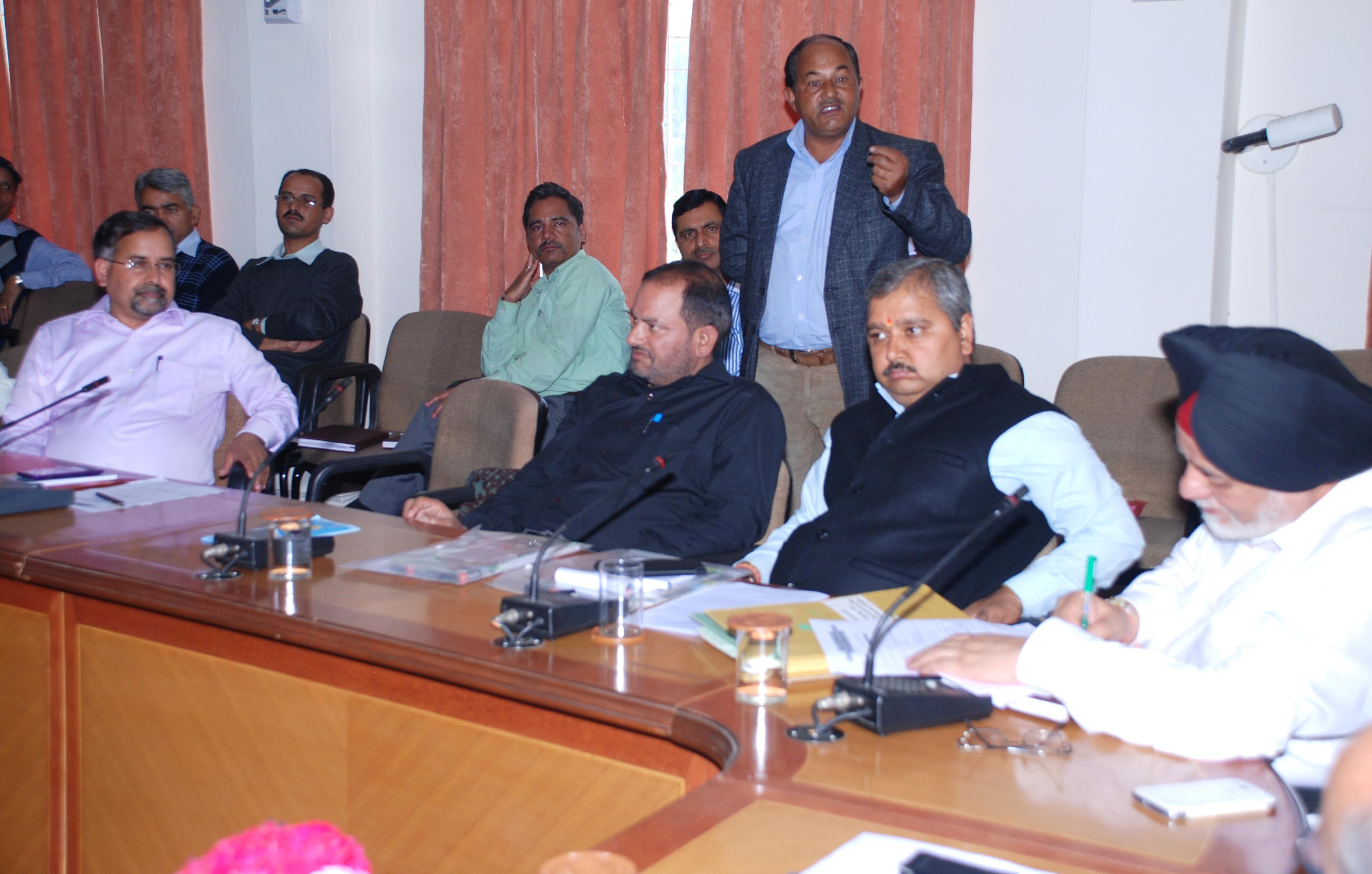
Interactions with Stakeholders
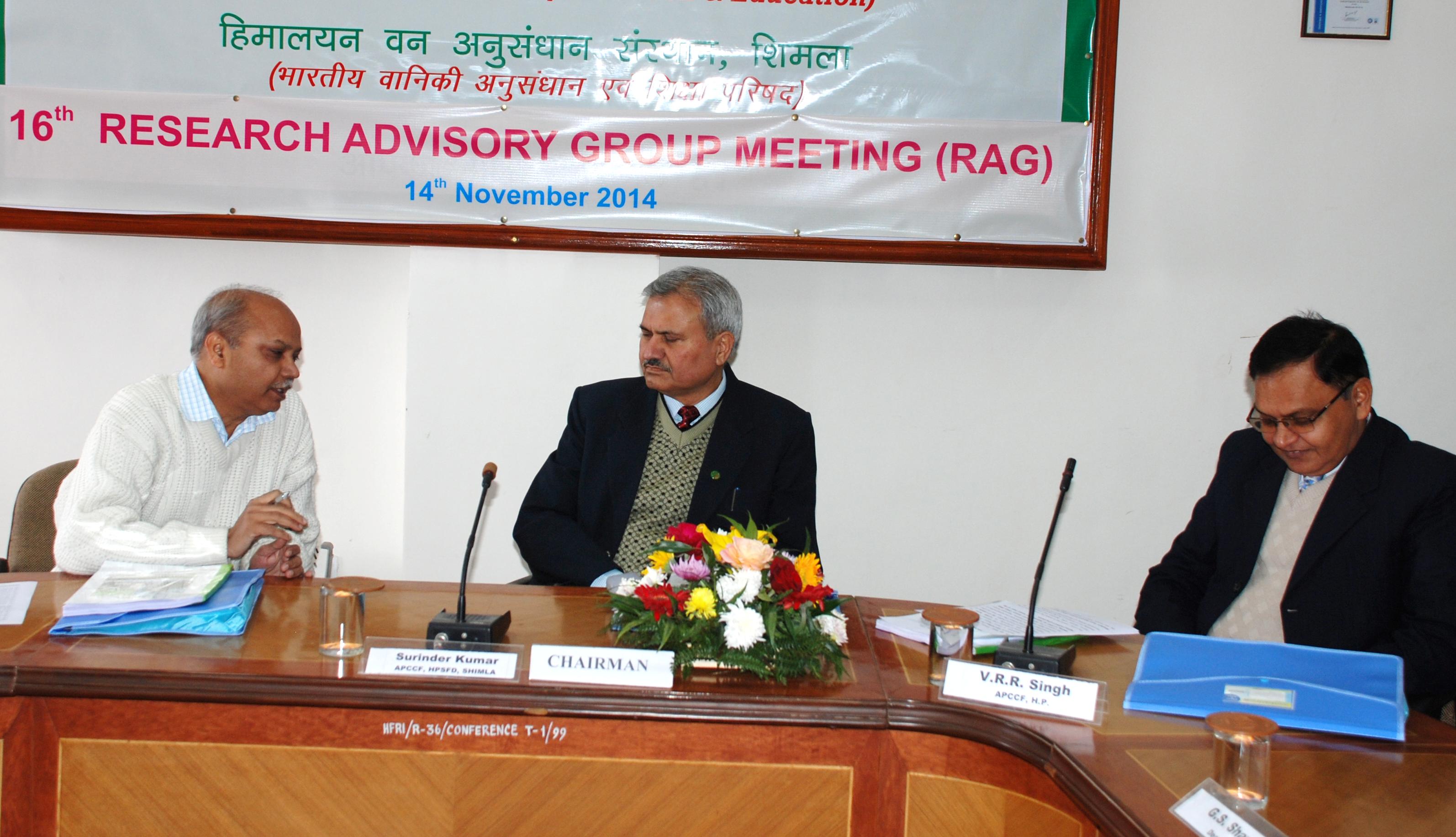
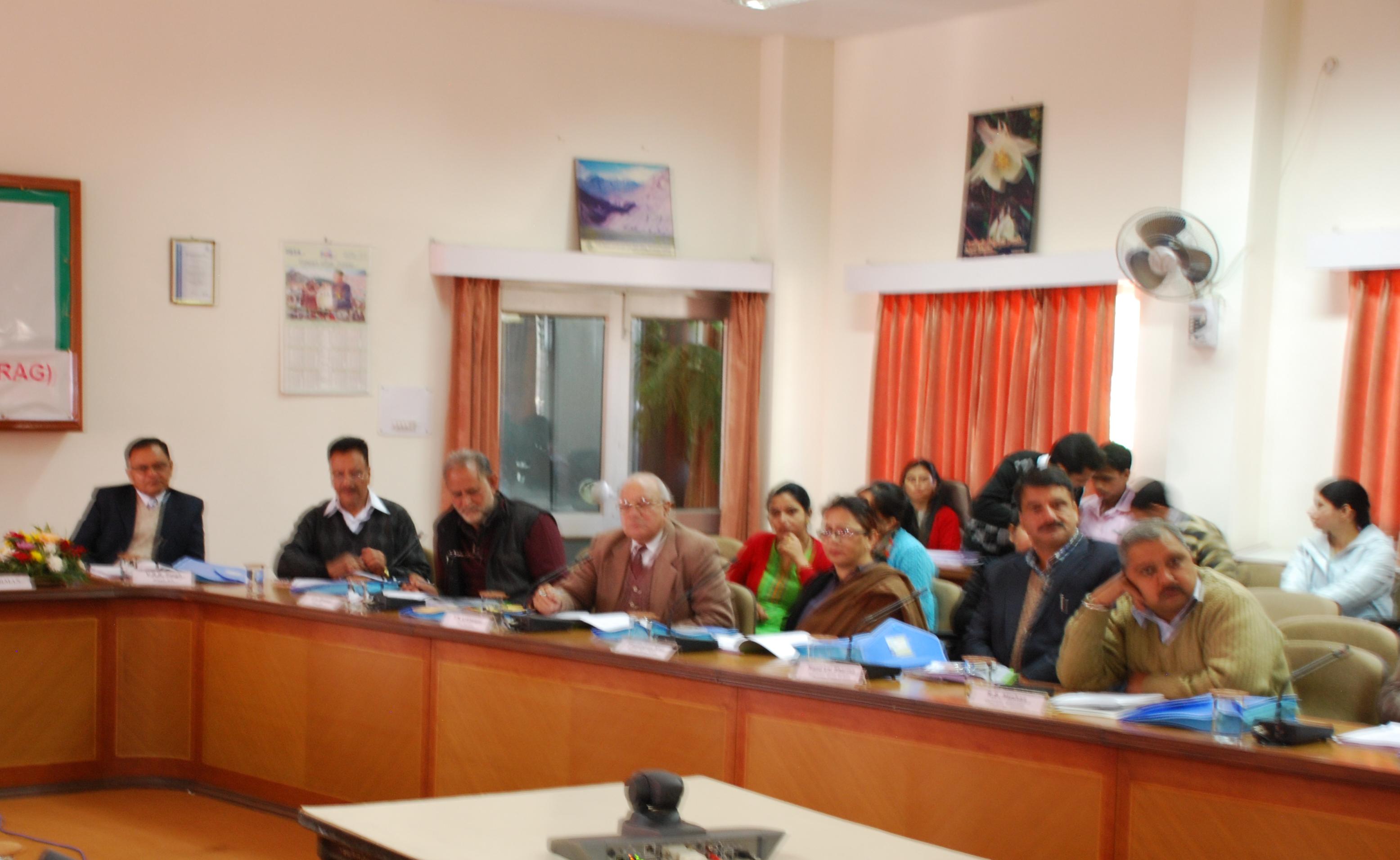
Workshops/ stakeholders meetings to, "Develop Better Linkages in Forestry Research" are annually being organized by the institute. Officers from State Forest Department of Himachal Pradesh and Jammu & Kashmir, Professionals from Universities/ Research Organizations, NGO’s, Farmers etc. participated in such meetings.
Workshop cum Peer Review on Poplar
Scientists from all the institutes of the ICFRE and Professors from those universities where ICFRE has extended research grant fund projects participated in the workshop.
Workshop - cum - Peer Review on Chir Pine
Scientists from the different institutes of the ICFRE along with the University Professors and Officers of State Forest Departments of H.P. and J. & K. participated in the workshop.
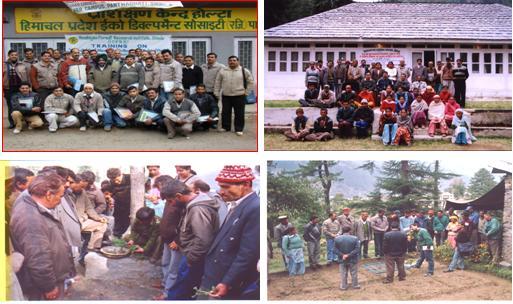
Training on Planting Stock Improvement Programme
Trainings on better management of Seed Production Areas, Seedling Seed Orchards, Clonal Seed Orchards and Vegetative Multiplication Gardens were imparted to the officials of State Forest Departments of Himachal Pradesh and Jammu & Kashmir.
Training on conservation of Hill Bamboo
A self financed training course on better conservation and management of Hill Bamboo was imparted to the officials of State Forest Corporation of Himachal Pradesh.
Workshop - cum - Peer Review on Forest Entomology & Biological Control
Scientists from various institutes of the ICFRE along with the University Professors participated in the workshop.
Dissemination of research achievements to its end users
Institute's visit are being organized for the Range Officers/ Foresters/ Forest Guards of the various forest departments, university/ college/ school students, farmers etc., to disseminate the research findings.
Workshop on Research Priority setting
To enlist the forestry research priorities for the area under institute's jurisdiction a workshop was conducted in which Forest Officers, University Professors and Scientists from the entire nation participated.
Celebration on State Tree
Deodar has been identified as the state tree of Himachal Pradesh and J&K. To commemorate the 50th year of India's Independence school level programmes pertaining to Quiz Competition, on spot Paintings, Essay writing etc. were conducted and importance and relevance of the tree was highlighted to the children at Sacred Heart Public school, Tara Hall, Shimla.
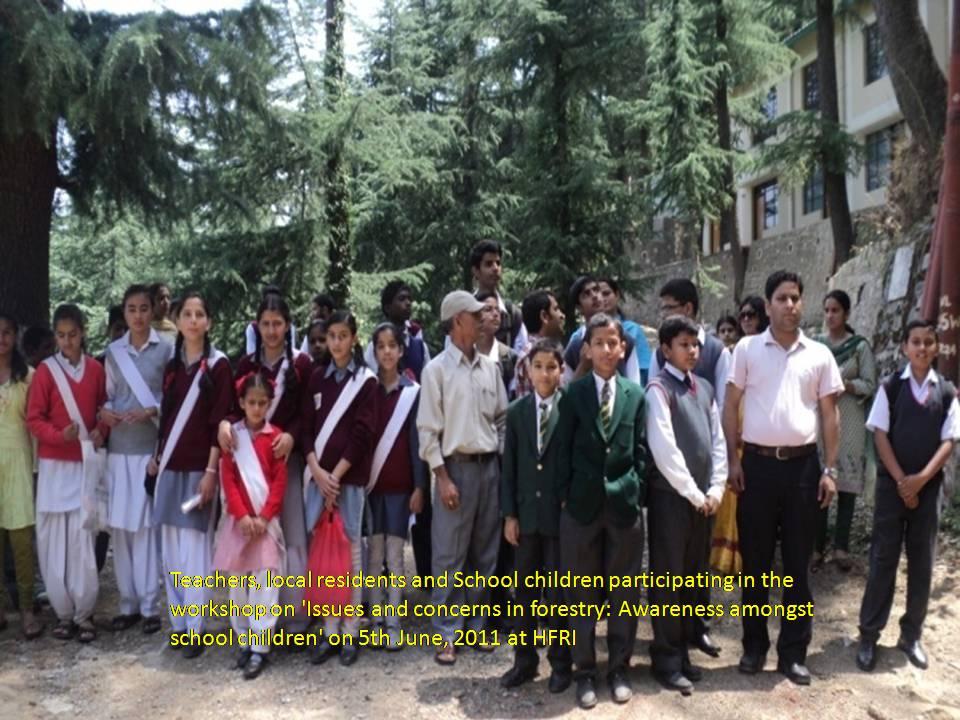
Programmes for school students
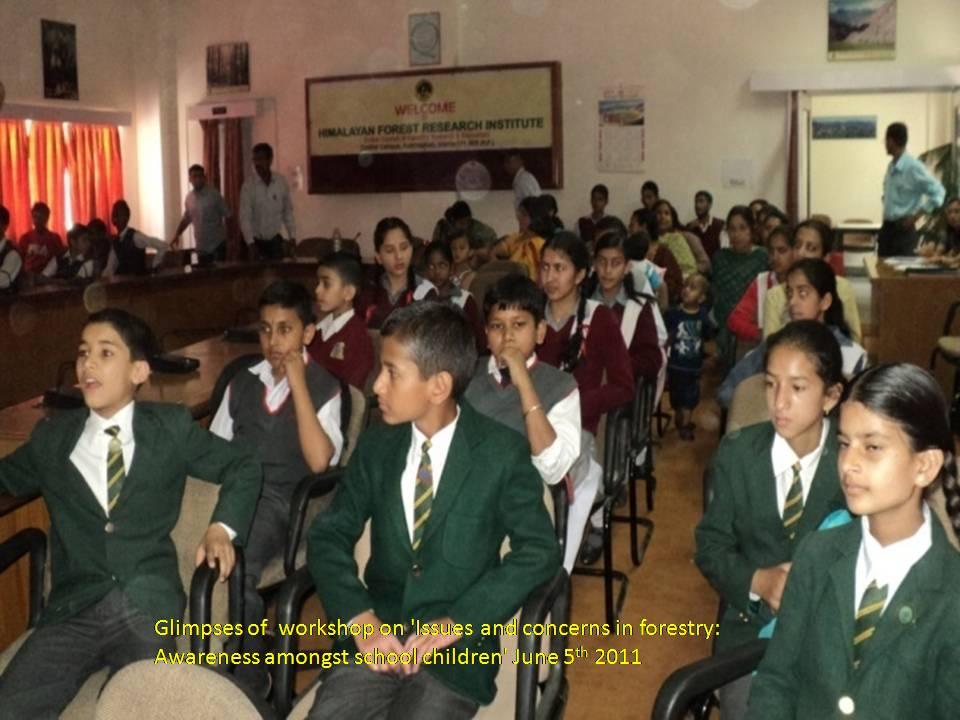
Institute conducts environmental awareness programmes to the school/ college students as its regular feature. Students make themselves acquainted with flora and fauna of the region, important aromatic and medicinal plants and their uses, methodology of herbarium preparation, working with basic instruments, advances in IT etc. through these programs.
Programmes for the Farmers
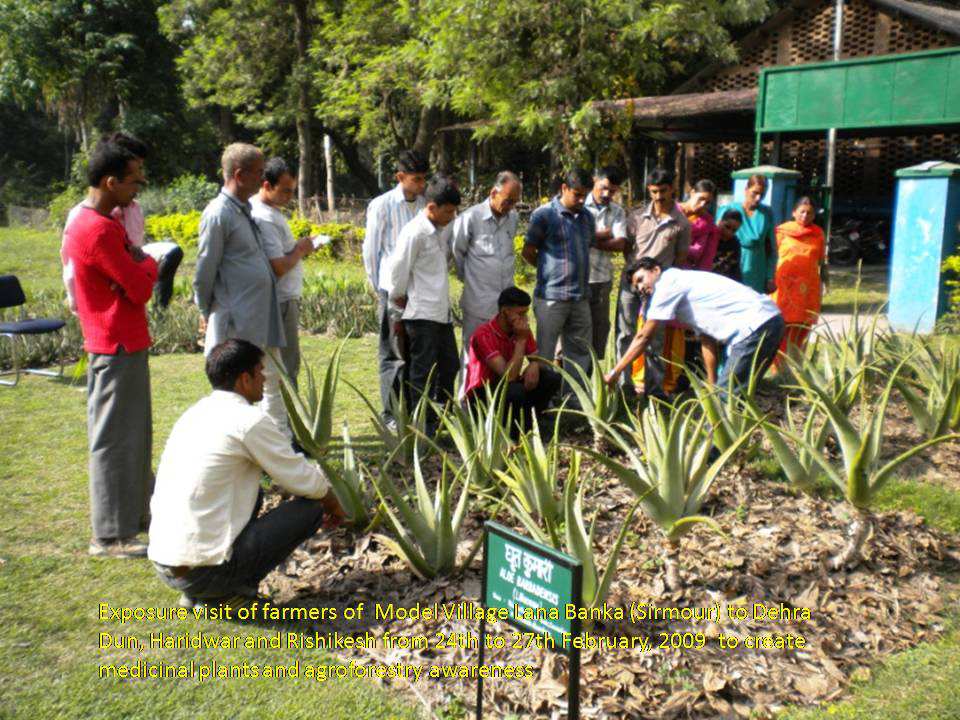
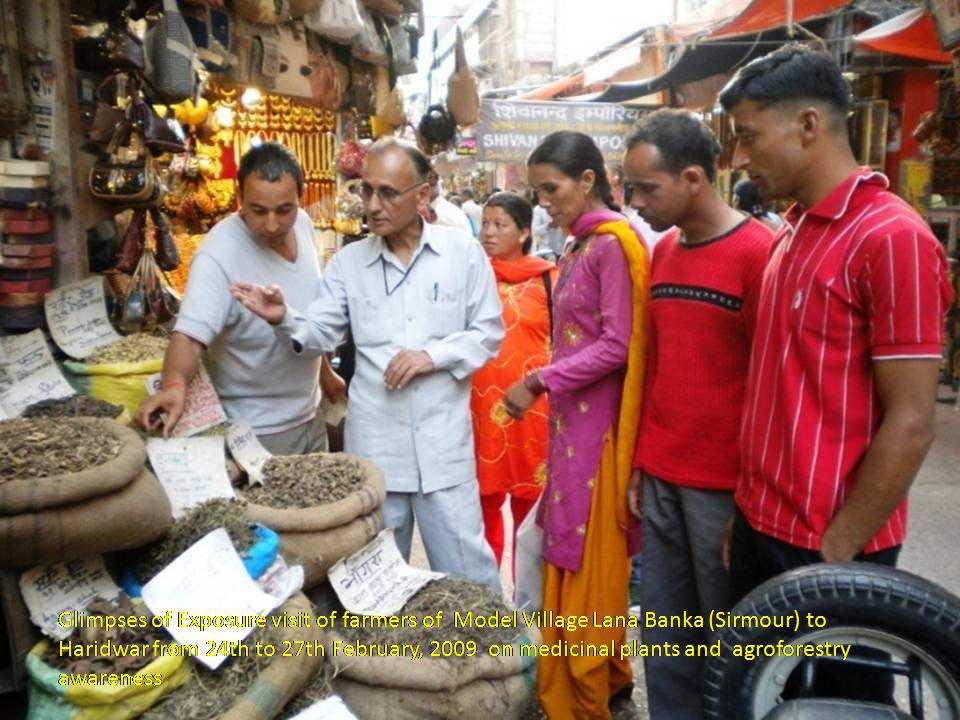
Institute under UNDP programme arranged a tour programme for the farmers to Pant Nagar University and WIMCO at Rudrapur (Uttranchal) for providing them an opportunity to gather the latest technical know-how in agroforestry. Institute also organised Kisan Melas for the farmers at Paonta Sahib and Sunder Nagar in HP. Besides exposure visits of farmers from Himachal Pradesh and Jammu & Kashmir were organized to the Forest Research Institute Dehradun, Herbal Market Haridwar, Hara Farms Jagadhari, UHF Research center at Dhaulakuan (Paonta sahib).
Socioeconomic upliftment of the rural Women
Under the IDRC project sewing programmes were organized for the women affected by the mining activities, in Sirmaur District of Himachal Pradesh.
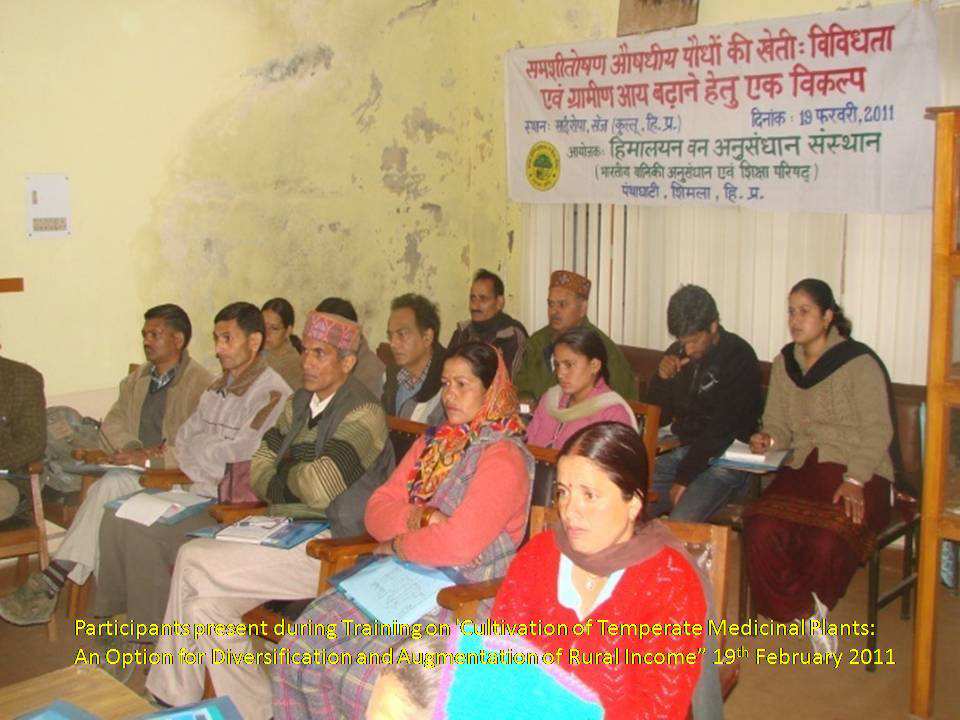
Display of Institute's Activities
An interpretation center in collaboration with H.P. Forest Department at Saurabh Vana Vihar, Palampur where research achievements/ technologies developed and projects undertaken by the institute has been displayed in the form of self explanatory exhibits.
Demonstration plots
Institute has maintained demonstration plots for its end users, important one of these are, 'limestone mine rehabilitation plot, Baldwa', 'poplar demonstration plots at Paonta and Pirdivihal, Kullu', 'Seed Orchards of Shisham and Chir Pine', 'Vegetative Multiplication Garden of Shisham at Birplasi, Nalagarh', 'Plantation of Chilgoza Pine', ‘100 hectare demonstration plot of Dendrocalamus hamiltonii in district Solan’ Demonstration Plantations of Salix in Lahaul’, ‘Demonstration plots of G. arborea in Johron (Paonta Sahib) and Kot (Hamirpur) in HP and at Sambha and Nudd in Jammu & Kashmir,’ Paulownia demonstration in Kangra and Kullu districts of HP” .
Herbarium
The herbarium was established in July, 2000.We have collected 1500 plant species (properly identified) of around 135 families of western Himalaya especially from cold deserts; other areas of collection include higher temperate regions of Shimla district; Rupi Bhaba WLS; Remote Chamba, GHNP Kullu, Churdhar WLS; Sirmour and Baddi areas of Lower Himachal. The Herbarium has around 6000 specimens mounted and pasted on the herbarium sheets. Identified 28 Medicinal Plants species listed in Red Data Book. Contributed 125 specimens each to FRI Herbarium and BSI Herbarium at Dehradun. Other works include identification of voucher specimens from other organisations on payment basis (present clients include FSI, Shimla); Sale of Herbaria sheets; Educating school children and other visitors about Herbarium methods
 Atropa belladona
 Cypripedium spp.
 Iris spp.
 Ferula jaeshkeana
 Pedicularis spp.
 Heracleum lanatum
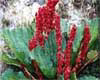 Rheum moorcroftianum
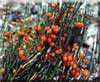 Ephedra gerardiana
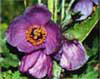 Meconopsis aculeata
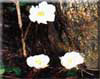 Podophyllym hexandrum
 Swertia petiolata
 Hippophae rhamnoides
 Clematis tibetana
 Bergenia stracheyi
 Arnebia gutlata
 Taraxacum officinale
 Digitalis purpurea
 Rosa macrophylla
 Justia adhatoda
 Gagea elegans
Establishment of Western Himalayan Temperate Arboretum:
An Arboretum is one of the methods favored for ex-situ conservation of species. Arboreta are scientifically laid out collection of arboreal plant species like trees, shrubs and woody lianas, representing different climatic and phyto-geographic regions. These serve various purposes such as germplasm collection, horticultural studies and means of ex-situ plant conservation. Well organized and aesthetically designed arboreta also play an important role in generating awareness about the plant world and promoting conservation education among the society. Ex- situ conservation and mass propagation of rare species at the botanical garden are complimentary to in-situ conservation.
The arboretum at Van Vihar will also have multifarious usage and the major ones shall include research, education, general environment awareness and ecotourism. It will also be visited for recreational activity thereby supporting interaction between society and biodiversity. Once established, the arboretum would be the first ex-situ plant conservation facility in the region, and one of the few conservatories – type gardens in the North Western Himalaya. It will provide a homeport, research and propagation facility for the amateur as well a professional gardening community in the region.
The Arboretum will also contribute to raise awareness among policy makers on the wealth of agro-biodiversity with regard to underutilized or neglected species and encourage thus greater attention on this group of species. Other uses, such as landscaping, and role of the species in maintaining cultural and artistic values of communities will be also addressed.
Most of the plant species introduced to the arboretum would be economically important and shall include timber yielding plants, plants yielding edible fruits, nuts, spices, fibre, plants of medicinal value, ornamental value etc. This unique collection of arboreal flora will be of great help in educating the people, particularly the youth, about the need for preserving one of our most important national assets – the ‘Biodiversity of Temperate Himalayas.’
Explorations & Wild Collections:
The Arboretum assembled its rich collection of plants through numerous plant explorations of ongoing research projects of the institute, and this work continues to play a major role in shaping and stewarding the collection to fulfill its mission of research, conservation, and education. Collecting plant material from wild populations ensures its value for scientific study, whether as an accessioned plant for the living collection at the arboreta, a pressed specimen for the herbarium, or as live germplasm for research projects. This activity in itself supports the ex situ conservation of native plants in the face of habitat loss and global change.
Infrastructure Development:
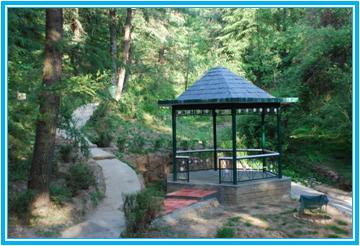
Efforts were initiated to enhance landscape infrastructure, highlight the value of its living collection through signage, improve growing conditions with regular manure and weeding, and to enhance the visitor experience by developing thematic trails. Examples are the renovation of the guard hut to a field office, construction of two gazebos, one pergola and an amphitheatre for interaction with visitors, especially school children.
Education & Extension:
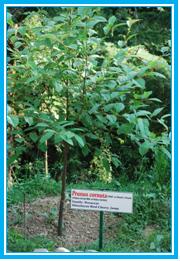
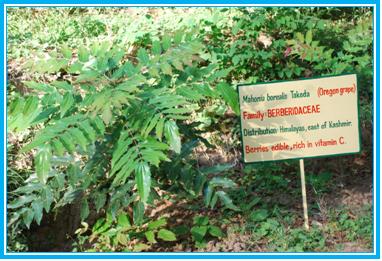
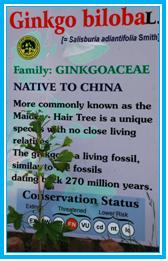
From school children to university students, researchers, professionals and members of the local community who participate in programs for personal and professional development, the arboretum provides a lifetime of learning about plants and the natural habitat. Outreach efforts for education currently include children’s awareness programs, lectures, spot painting/slogan competitions and initiatives for institutional visitor education. Now with the addition of an amphitheatre, the arboretum is positioned to enhance its contribution via interactive lecture/talk sessions and short theatricals of children to convey forward the new arising issues pertaining to the conservation of biodiversity.
Besides learning levels at the school, these experiences help children exercise reasoning skills and form logical connections between biodiversity/environment and everyday activities. Outdoor classrooms, not only helps the students learn quickly, it also instills a value for sharing knowledge that lies at the heart of the arboretum’s goal.
Identification of Superior Genetic Stock of different medicinal plants
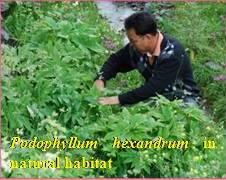
Identified the superior genetic stock (based on high active ingredients content) of Picrorhiza kurroa, Valeriana jatamansi Jones, Podophyllum hexandrum and Berberis aristata by screening various population from different geographical locations. Population assessment, characterization of micro habitat and establishment of FGB (Field Gene Bank) have been carried out for Picrorhiza kurroa, Valeriana jatamansi Jones and Podophyllum hexandrum respectively.
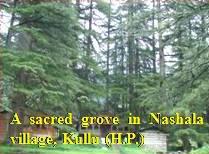
Sacred Groves study in Kullu Valley, Himachal Pradesh
Medicinal plants in Sacred groves of Kullu Valley, Himachal Pradesh were documented and suggested site specific management strategies for conservation of various sacred groves in Kullu Valley of Himachal Pradesh.
Assessment of Optimum harvest limits of Picrorhiza kurrooa and Valeriana jatamansi in Himachal Pradesh
Assessed the optimum harvest limits of Picrorhiza kurrooa and Valeriana jatamansi in different natural habitats of Himachal Pradesh.
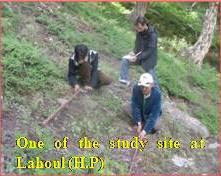
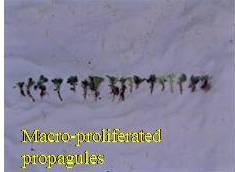
Development of macro-proliferation techniques
Developed macro-proliferation techniques for mass multiplication of Picrorhiza kurrooa (Kutki) and Valeriana jatamansi (Mushakbala) - important medicinal plants of temperate Himalayas:
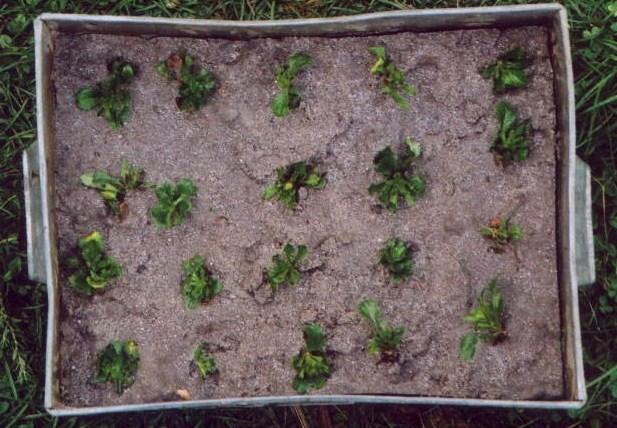
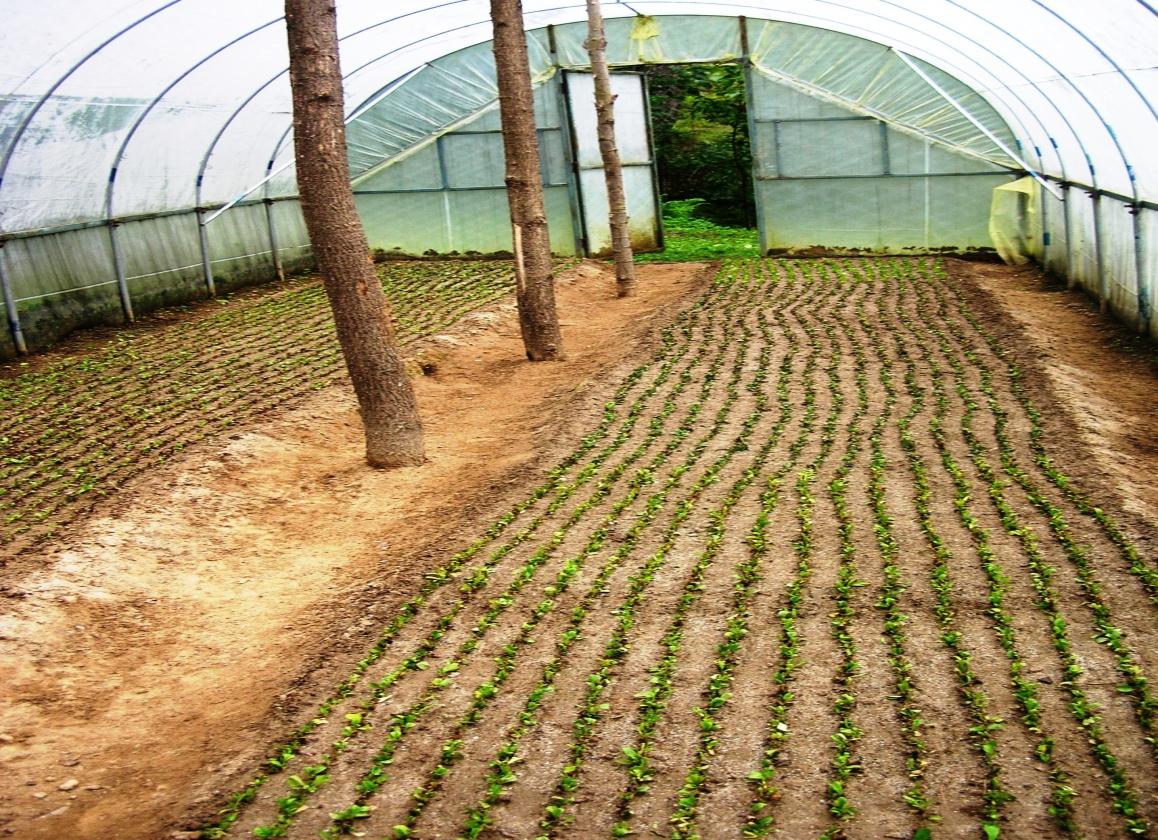
Improved techniques for mass production of Aconitum heterophyllum (Atish) and Angelica glauca (Chora) were developed and successfully transferred to local communities".
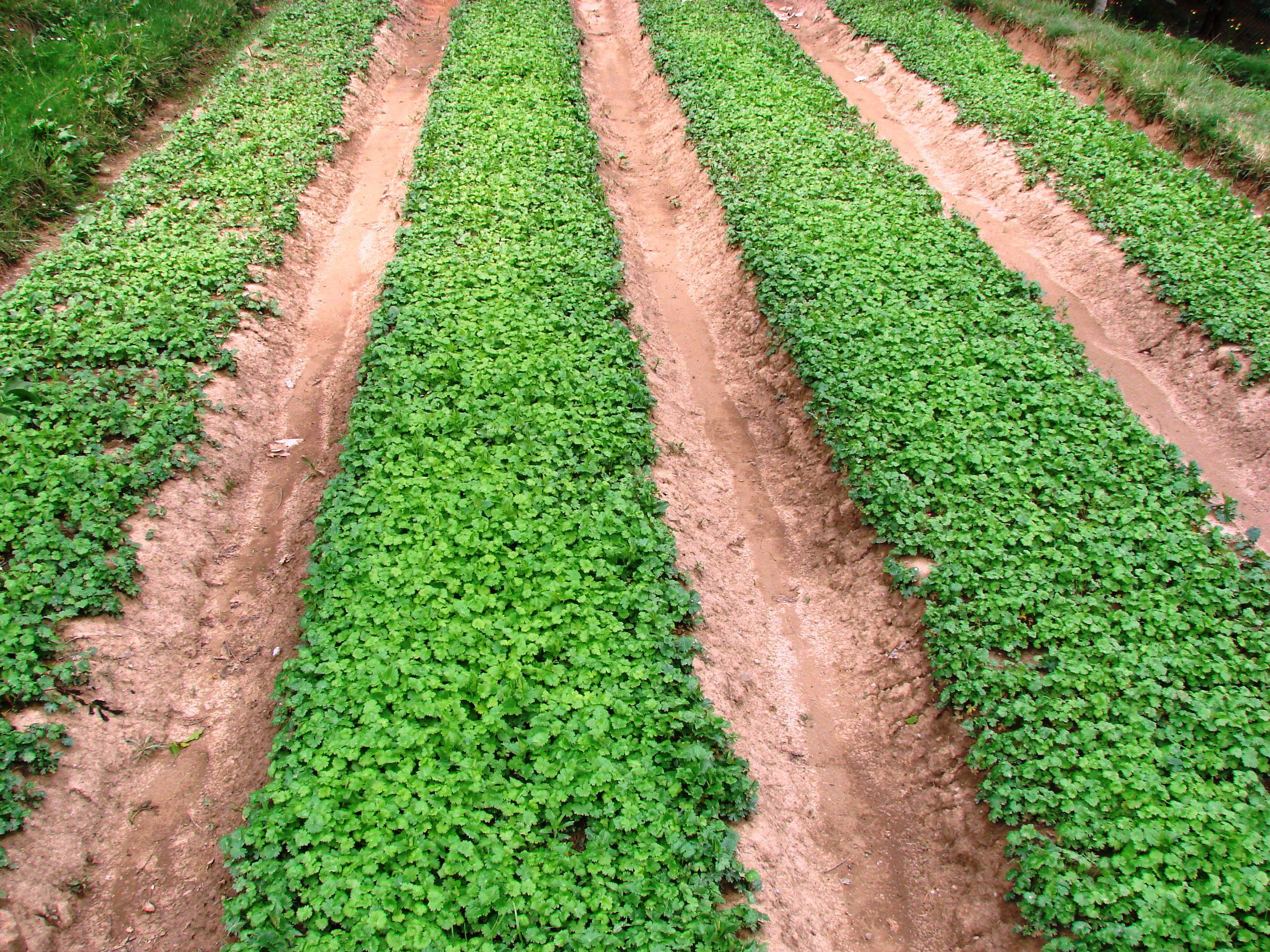
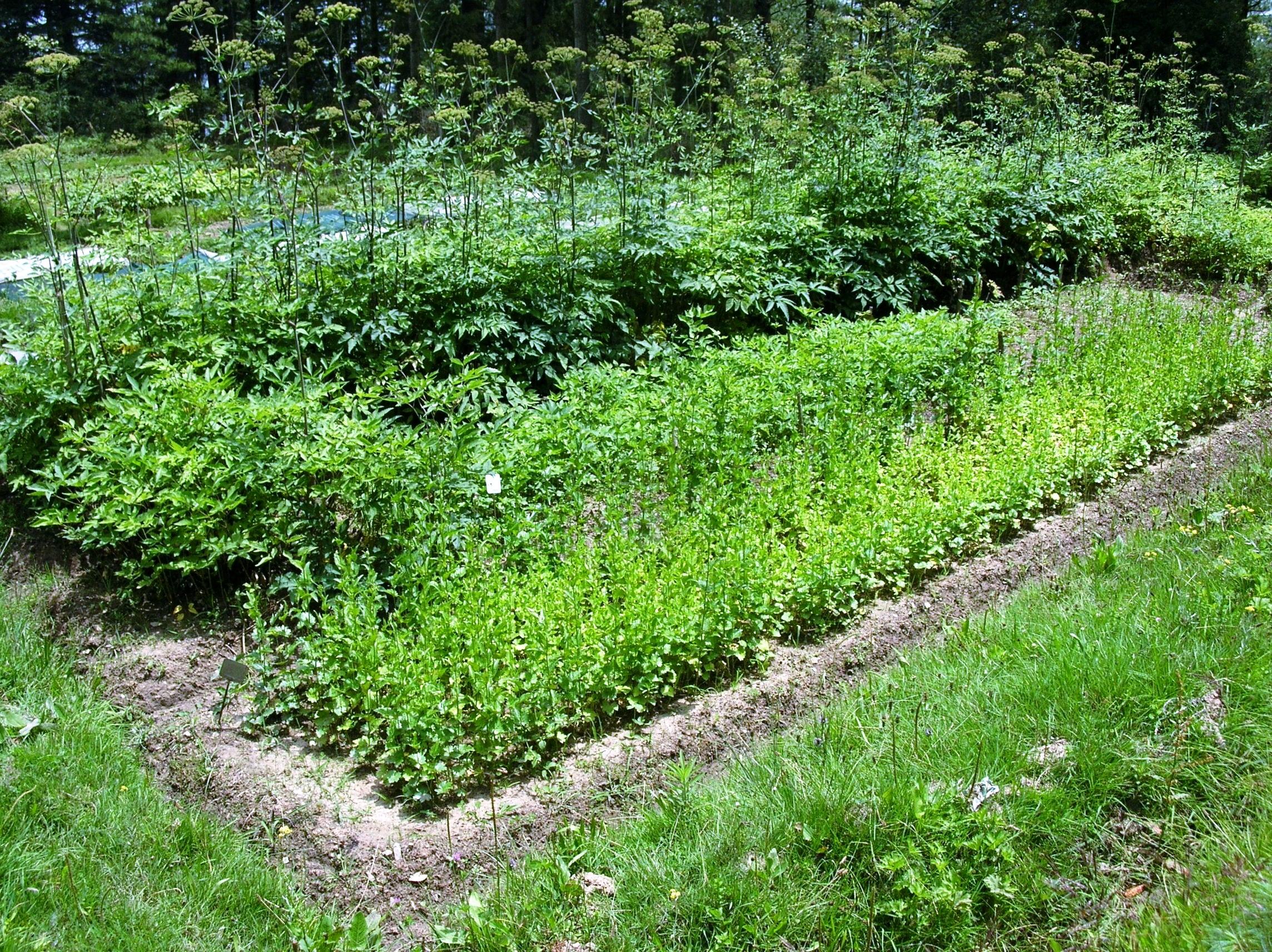
Produced around 9 lacs nursery stock of Atish, Kutki, Chora and Mushakbala under various projects.
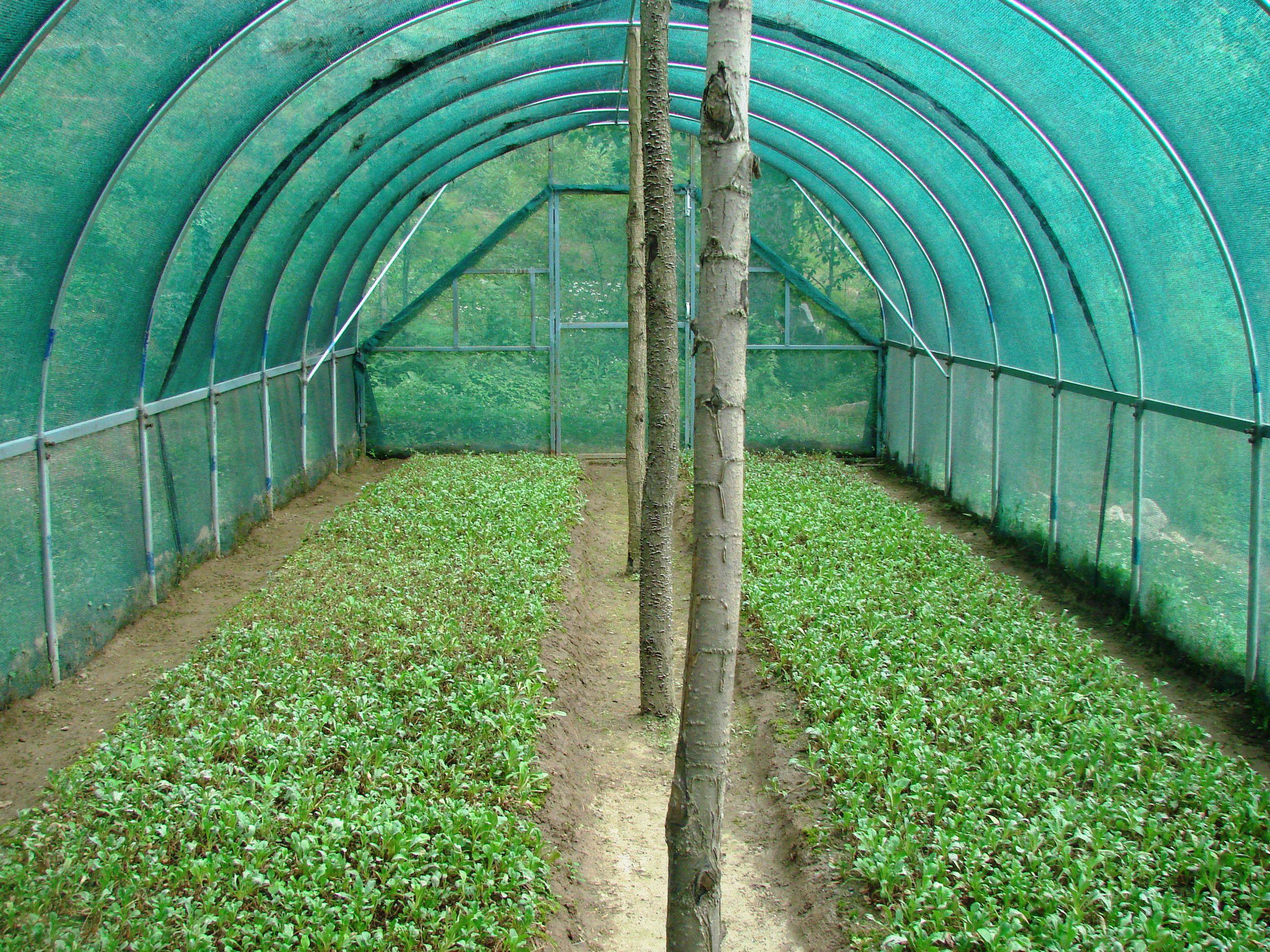
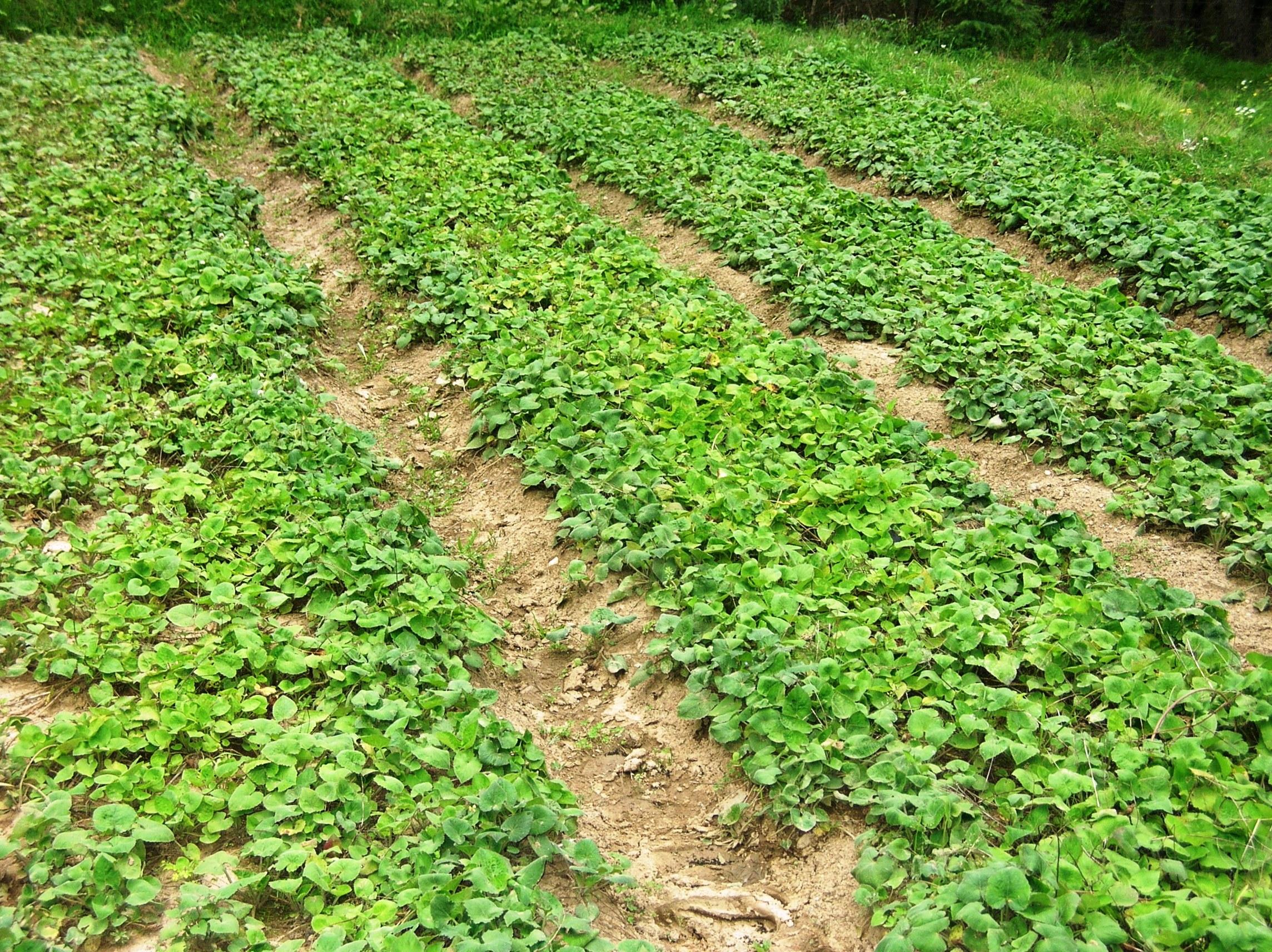
Inventorization and documentation of medicinal plants
The institute undertook extensive surveys in different ecologically sensitive and fragile zones in the states of Himachal Pradesh and Jammu & Kashmir and inventorized and documented the different threatened categories of medicinal plants.
Establishment of germplasm bank and standardization of propagation techniques
The Institute has established the Germplasm bank of 30 species of medicinal plants of temperate Himalayas in Brundhar nursery (Manali); 20 species at Shilly nursery, Solan and 10 species each at Shillaru Nursery (Shimla) and Model Nursery (Shimla) for demonstration purpose to different stakeholders. Studies were conducted for improvement in the nursery techniques of economically important medicinal plant species e.g. Picrorhiza kurrooa (Kutki), Aconitum heterophyllum (Patish), Valeriana jatamansi (Mushkbala), Angelica glauca (Chora) and Podophyllum hexandrum (Bankakdi) etc. Developed marco-proliferation technique for mass multiplication of Kutki and Mushakbala.